• About the Gallery
    • Past McMullen Exhibits
    • After Hours Gallery
    • McMullen History
    • Submissions
    • Collection Information
    • Artwork Donations
    • Art Tour
    • About the Program
Menu

University Hospital Foundation Arts in Health

8440 112 Street Northwest
Edmonton, AB, T5X
Phone Number

Your Custom Text Here

University Hospital Foundation Arts in Health

  • McMullen Gallery
    • About the Gallery
    • Past McMullen Exhibits
    • After Hours Gallery
    • McMullen History
    • Submissions
  • Art Collection
    • Collection Information
    • Artwork Donations
    • Art Tour
  • Artists on the Wards
    • About the Program

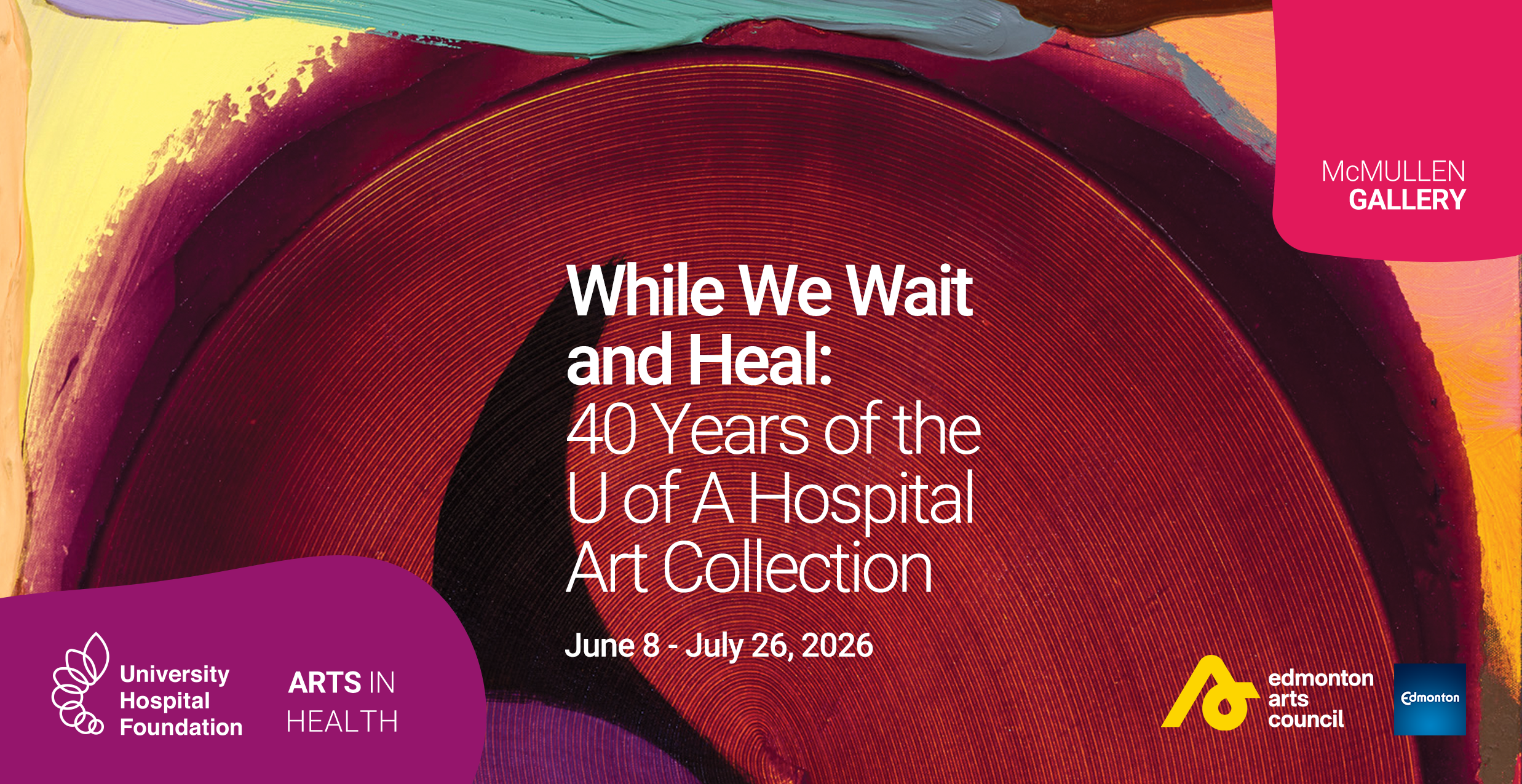
As We Wait and Heal: 40 years of the U of A Hospital Art Collection

June 22, 2026 Tyler Sherard

As We Wait and Heal: 40 Years of the U of A Hospital Art Collection


Sometimes it only takes one person to spark changes that ripple through thousands of lives. That was the case in the late 1970s, when the Walter C. Mackenzie Health Sciences Centre was still in the planning stage and William Bernard McMullen, Vice Chairman of the University of Alberta Hospital Board and Chairman of the Alberta Art Foundation, recognized an opportunity to make the new complex more humane and welcoming. Over four decades later, his vision endures in the artworks that line its corridors—alive with colour, gesture, and human touch—offering moments of warmth and contemplation in nearly every meandering hallway and windowless waiting room.

On the surface, McMullen was an unlikely champion of art in healthcare settings. A chartered accountant by profession—an avid traveller, skier, backpacker, and father of three school-aged children—he had no experience of long hospital stays and wasn’t even an amateur painter. Yet he instinctively understood the loss of identity many patients endure, and the quiet pain intensified by time-stopping boredom and sterile surroundings: pale walls decorated with clinical imagery set against the cold glow of fluorescent lights.

Art, he believed, belonged in public spaces where people were hurting and healing—where families make life-and-death decisions, and patients long for reprieve from the metallic clamour and incessant beeping. As his son Doug McMullen recalls, his Dad envisioned a hospital filled with art, along with a designated quiet area that would serve as a “refuge from the day-to-day going on…that little oasis of calm in the sea of chaos.”

Establishing an art collection in a hospital setting was an uphill battle from the outset, and McMullen faced considerable resistance. Foundational research on the impact of the visual environment in healthcare didn’t fully emerge until 1984, when Roger Ulrich published his landmark study demonstrating that views of nature could reduce hospital stays, complications, and the need for pain medication. A surge of research in the 1990s and early 2000s further established the role of art and environment in patient well-being—confirming what McMullen had intuited decades earlier: that seeing itself is part of healing.

Through his persistence, passion, and wide network of connections, McMullen set in motion a vision that would grow not only into the hospital’s extensive art collection but also into a gallery. He didn’t live to see it realized; he died in a tragic accident in 1979 at the age of 47.

McMullen’s passing galvanized the Edmonton arts community, along with cultural and hospital institutions, into action. What began as one man’s vision became a shared commitment, carried forward with renewed urgency. Among those who stepped in was Terry Fenton, the then Director of the Edmonton Art Gallery (now the Art Gallery of Alberta), who, together with the McMullen Steering Committee—composed of prominent Edmonton figures—encouraged others to purchase or donate works to the hospital.

By the time the Walter C. Mackenzie Health Sciences Centre opened, McMullen’s vision had become embedded in the institutional environment, and with the completion of Phase II in 1986, approximately 900 works—featuring many prominent Canadian artists—were installed throughout the hospital complex. Equally significant was the creation of a dedicated space offering respite from the clamour of hospital life. Initially known as the “Rest and Relaxation Area,” it was later renamed in his honour as the McMullen Gallery—one of the earliest and most influential spaces within a Canadian healthcare setting for the display of art and other forms of creative expression designed to comfort and engage patients.

Initially volunteer-run, the gallery outgrew its informal structure as the collection expanded and conservation demands increased. In 1990, a more formal program was established under the leadership of dedicated staff and the auspices of the Friends of University Hospital. Since that time, the gallery has become one of the few professionally run Arts in Health programs in Canada, complemented by approximately 2,000 works woven throughout the hospital complex.

Across the past four decades, the Arts in Health program has extended beyond the gallery walls into the life of the hospital: Artists On the Ward working at patient bedsides, workshops unfolding in the gallery, storytelling, and music drifting through the corridors. Even the atrium occasionally became a site of exuberant dance performances. Art was no longer simply seen, but lived—felt in the rhythms and interruptions of care.

Yet the core of McMullen’s vision endures, and the program remains grounded in its roots as a deeply collaborative process, shaped by patients, staff, artists, and selection committees composed of community volunteers. Within this shared framework, the collection has continued to evolve in the hands of successive directors and curators, each bringing a distinctive lens.

Among the most recent was Susan Pointe, who, in 1999, was recruited from the prestigious McMichael Canadian Art Collection in Ontario to return to her native Edmonton and direct the collection. For her, diversity was essential. She brought her immense energy to shaping a more inclusive vision—one that expressed the varied stories and experiences of patients, families, and staff. In particular, she noticed the near absence of whimsy and humour as a significant omission. When sensitively placed, artworks such as the glass garments suspended on a clothesline at the Mazankowski Alberta Heart Institute could elicit a much-needed smile. Her approach broadened the collection’s expressive range, opening space for lightness even in moments of grief. (continued on reverse)

Building on Pointe’s vision, Michelle Cassavant directed the collection with a gentle touch and quiet attentiveness to patients’ needs. One of her greatest joys was helping people select art. Through careful listening, she developed a nuanced understanding of the different wards, where even small choices mattered. It wasn’t simply a matter of choosing nature-based imagery—winter landscapes were often shunned, while abstraction was welcomed so long as a trace of the natural world remained. Even colour required care: cheerful tones were generally preferred—except, notably, pink. In reflecting on her time there, what stayed with her were the quiet encounters: patients arriving at the gallery with IV poles, or pausing before a work in a windowless room and finding a moment of comfort and reprieve.

When Ellen Cunningham took over the care of the collection in 2015, she raised the bar even higher. Alongside a commitment to cultural sensitivity—broadening the collection to reflect diverse communities—she has opened new channels for patient response, introducing QR codes, focus groups, and surveys. These revealed that discomfort often arises when meaning is unclear, prompting the addition of explanatory labels and expanded staff communication, with plans for a “work of the week” initiative. Her extensive research also pointed to a desire for more figurative work, leading to acquisitions such as Lauren Crazybull’s intimate depictions of her First Nations friends and acquaintances. Cunningham’s direction also moves beyond calming imagery toward work in which patients can see their own experiences reflected, as in Blair Brennan’s body-on-fire drawing, which evokes the fiery intensity of living with illness.

And yet, as the program has grown in ways McMullen could never have foreseen, the core of his vision endures. Each successive steward has expanded its reach while holding fast to its purpose. As Cunningham reflects, “Humanity can be lost in a medical setting. But when patients walk the halls and see their own story in the work, they feel something beyond these walls. That’s the power art has: to connect people to something bigger and deeper than themselves.”

Building on Pointe’s vision, Michelle Cassavant directed the collection with a gentle touch and quiet attentiveness to patients’ needs. One of her greatest joys was helping physicians and staff select art. Through careful listening, she developed a nuanced understanding of the different wards, where even small choices mattered. It wasn’t simply a matter of choosing nature-based imagery—winter landscapes were often shunned, while appropriate and carefully selected abstraction was welcomed. Even colour required care: cheerful tones were generally preferred—except, notably, pink. In reflecting on her time there, what stayed with her were the quiet encounters: patients arriving at the gallery with IV poles, or pausing before a work in a windowless room and finding a moment of comfort and reprieve.

When Ellen Cunningham took over the care of the collection in 2014, she raised the bar even higher. Alongside a commitment to cultural sensitivity—broadening the collection to reflect diverse communities—she has opened new channels for patient response, introducing QR codes, focus groups, and surveys. These revealed that discomfort often arises when meaning is unclear, prompting the addition of explanatory labels and expanded staff communication, with plans for a “work of the week” initiative. Her extensive research also pointed to a desire for more figurative work, leading to acquisitions such as Lauren Crazybull’s intimate depictions of her First Nations friends and acquaintances. Cunningham’s direction also moves beyond calming imagery toward work in which patients can see their own experiences reflected, as in Blair Brennan’s body-on-fire drawing, which evokes the fiery intensity of living with illness.

And yet, as the program has grown in ways McMullen could never have foreseen, the core of his vision endures. Each successive steward has expanded its reach while holding fast to its purpose. As Cunningham reflects, “Humanity can be lost in a medical setting. But when patients walk the halls and see their own story in the work, they feel something beyond these walls. That’s the power art has: to connect people to something bigger and deeper than themselves.”

-Agnieszka Matejko, 2026


In Current

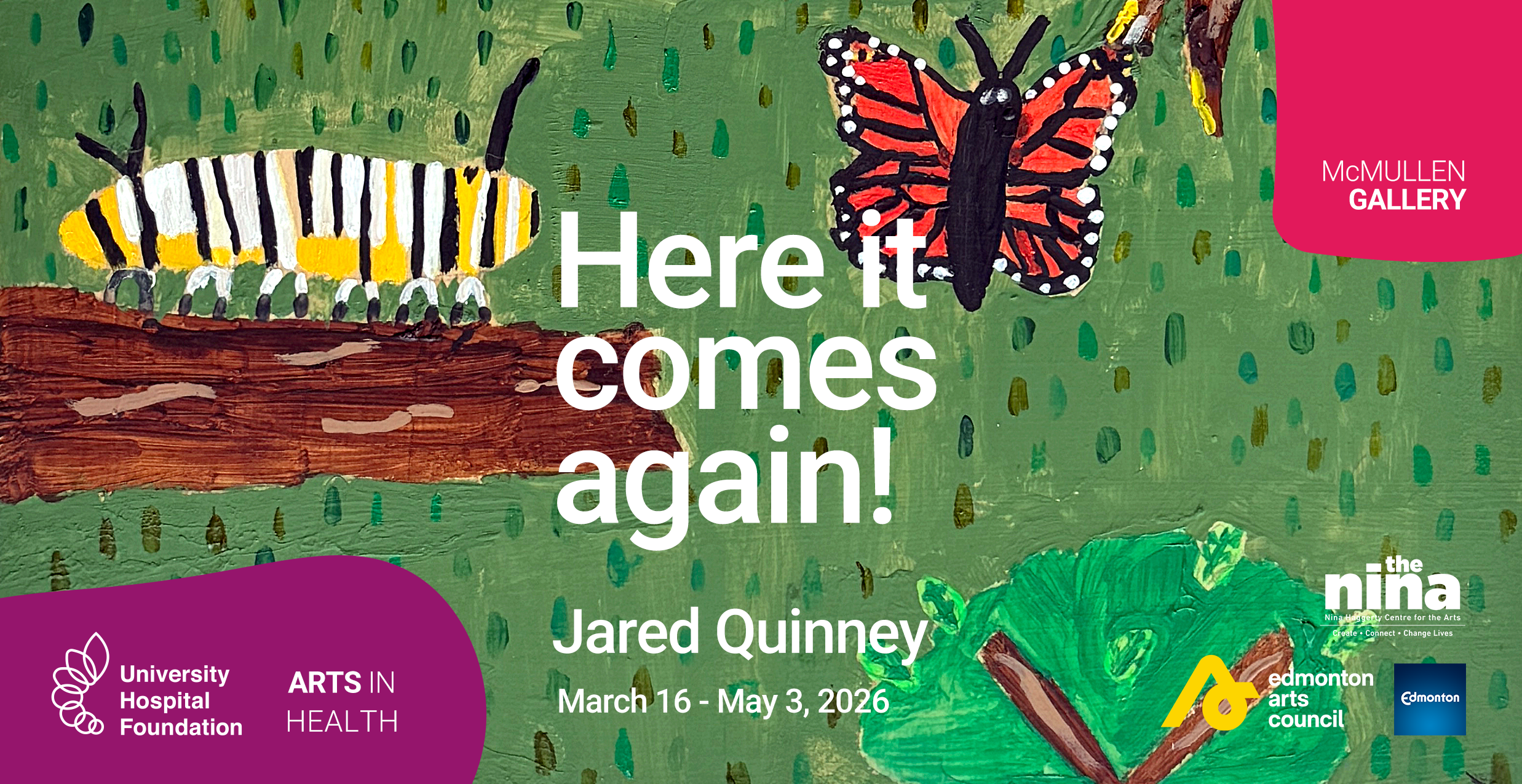
Here it comes again! Jared Quinney

March 2, 2026 Tyler Sherard
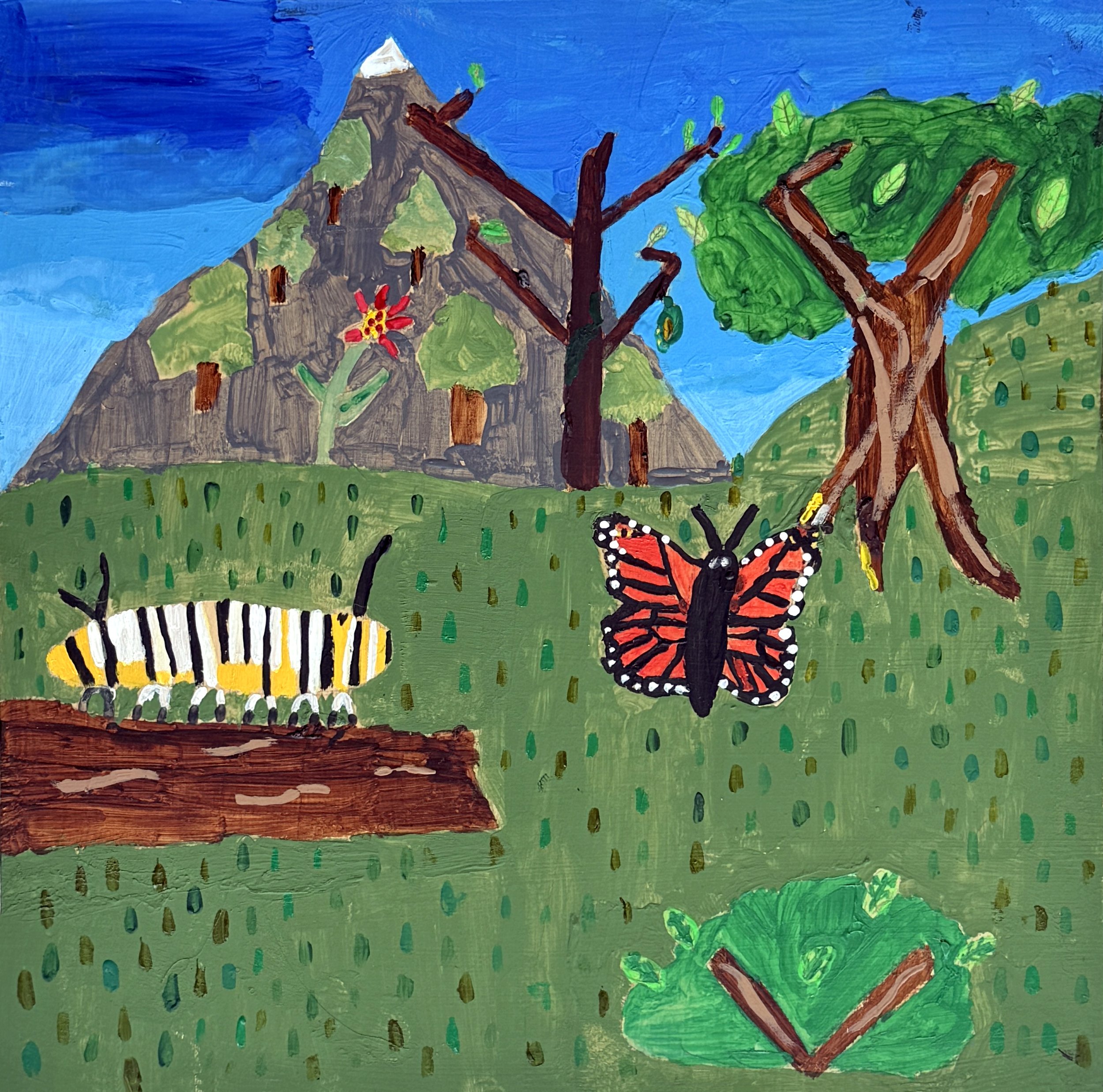
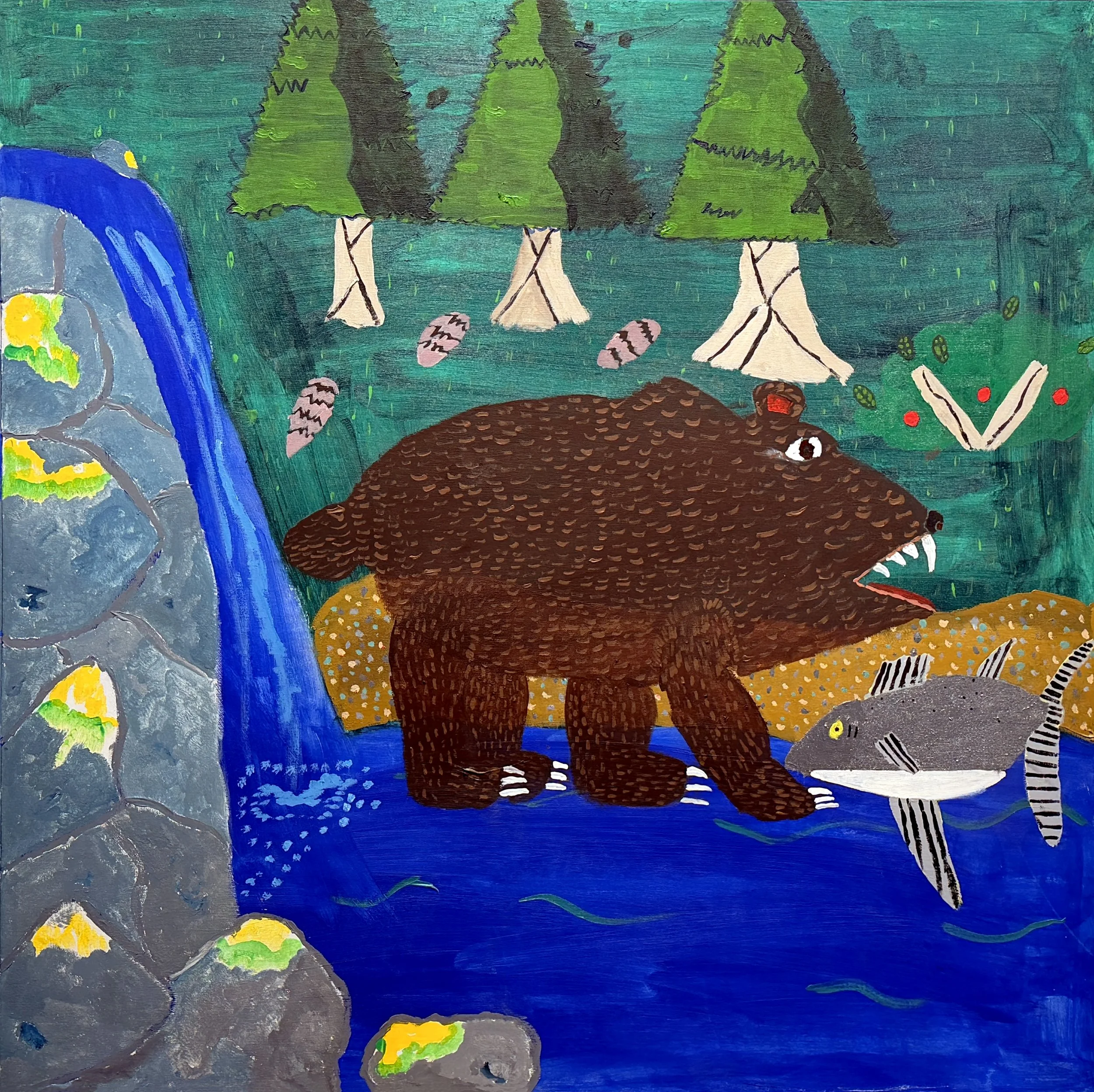
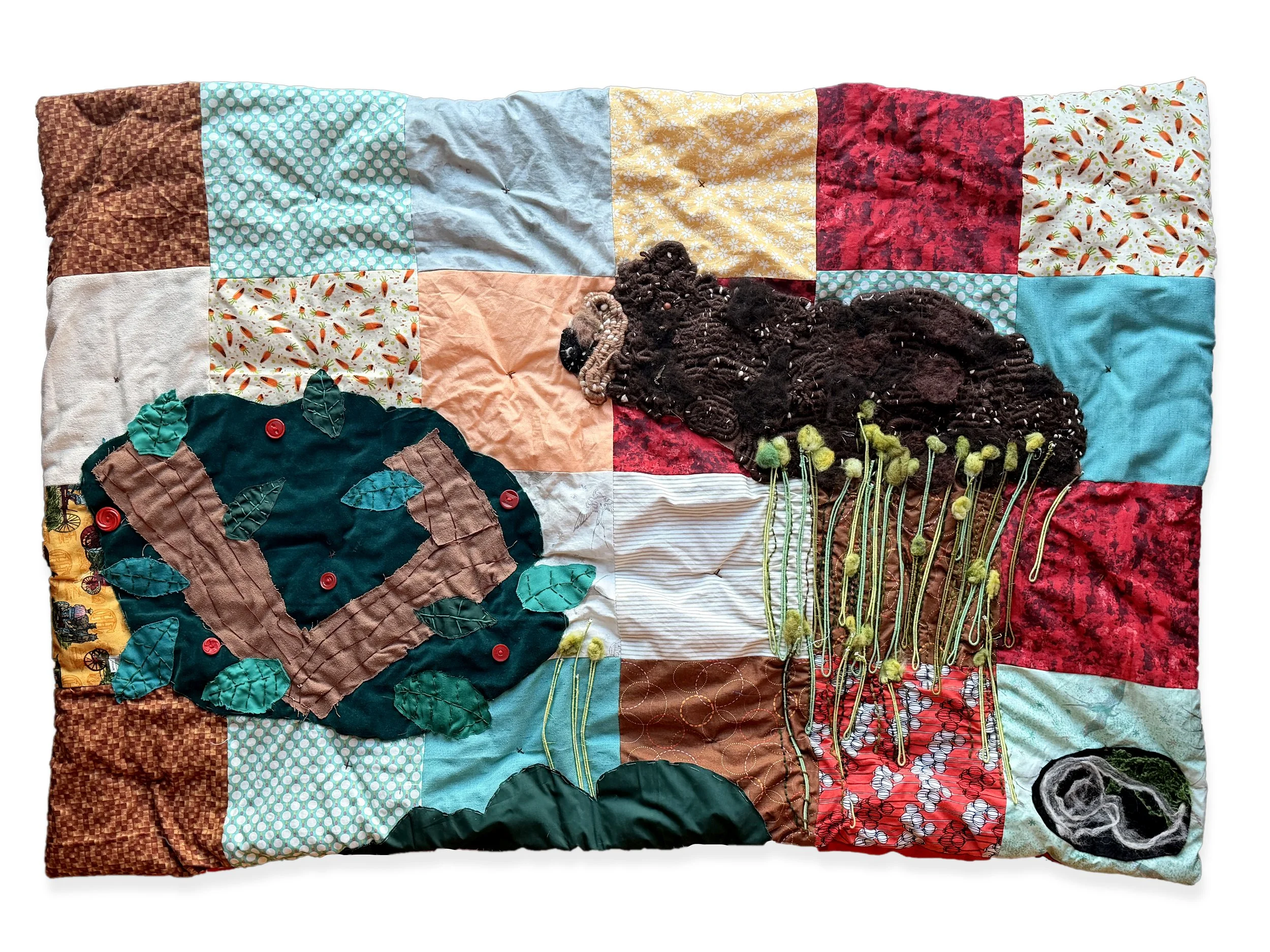
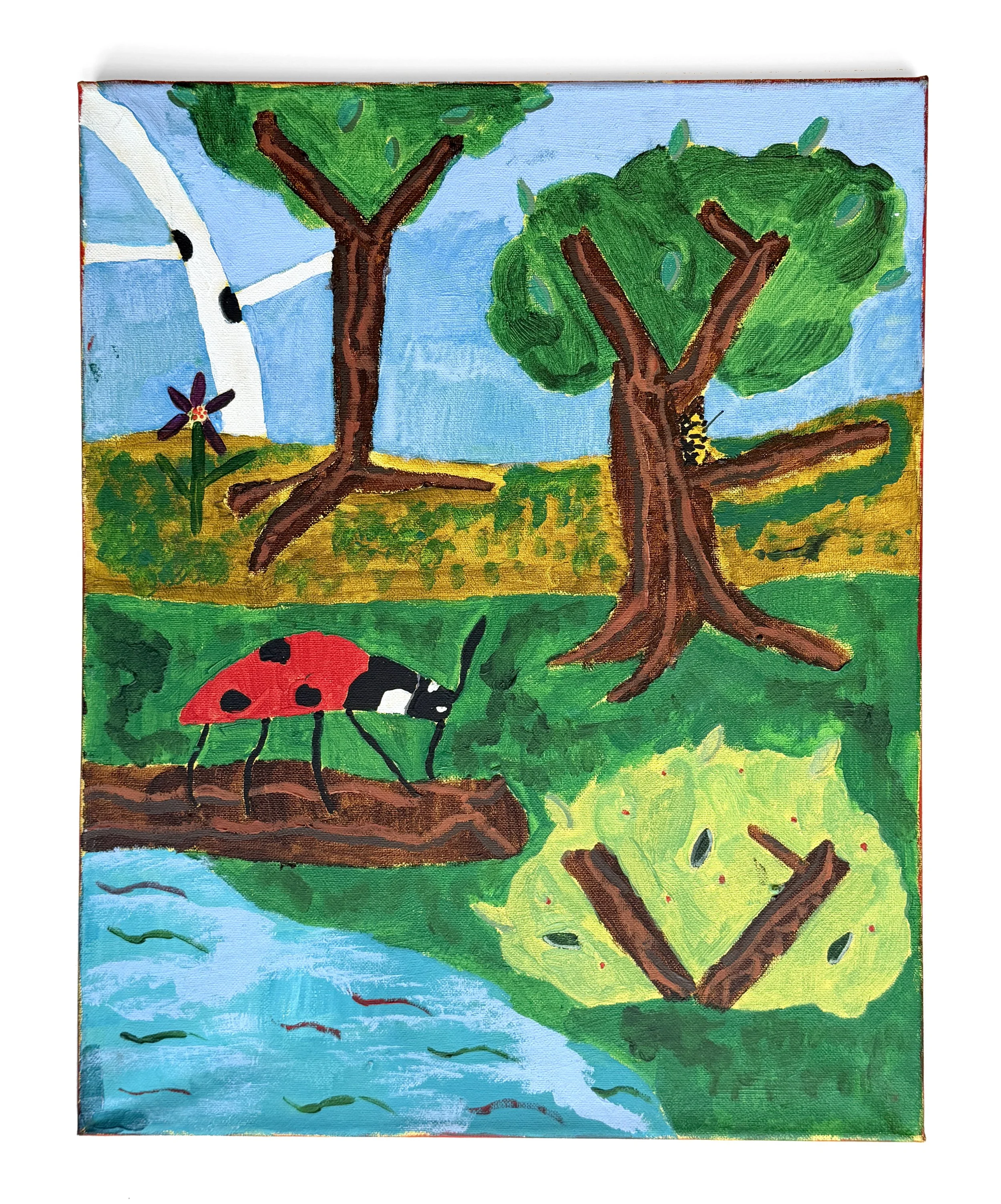
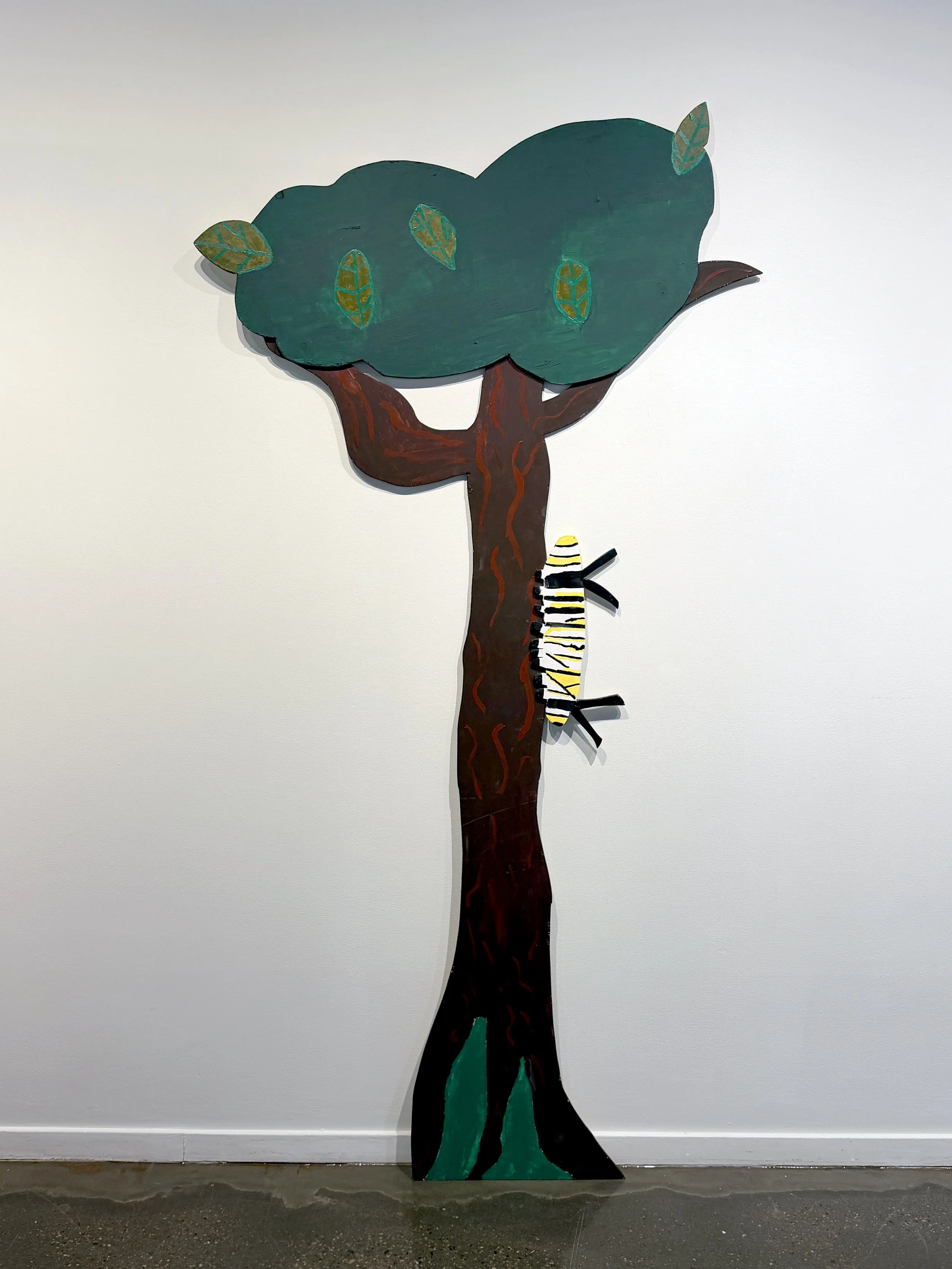
Here it comes again! is an exhibition by Jared Quinney that brings humour, colour, and curiosity into conversation with themes of healing and connection to the natural world. Through depictions of animals and imagined environments, Jared invites viewers into a space rich with his storytelling and observation.

Before becoming an artist, Jared worked for many years as a dishwasher while managing physical illness. During that time, he discovered art as a way to restore himself. What began as a personal coping strategy grew into a full creative career. He wants to share the sense of comfort he finds in the studio with others, especially those navigating difficult moments. “I like the idea of people in the hospital who might be going through hard times to get inspired and feel peaceful when they look at my art, the same way that I get peace from making it.”

Jared is a member of the Nina Collective, a group of over 200 artists with developmental and other disabilities, supported by the Nina Haggerty Centre for the Arts. Working across painting, printmaking, sculpture, and textiles, he draws inspiration from avid reading and a deep interest in natural history. Animals frequently appear as central characters in his compositions, accompanied by witty titles that hint at backstories and personalities, encouraging viewers to imagine the narratives unfolding within each work.

Originally from Saddle Lake Cree Nation, Quinney values collaboration and mentorship, often working with fellow artists on shared projects and workshops. His practice reflects both personal and collective creativity and is grounded in generosity and joy.

With its vibrant imagery and gentle humour, Here it comes again! offers a reminder that art can be a source of comfort and renewal. Pause, smile, and connect with the power of imagination.


Jared Quinney - Changes - 10x10.jpg
Jared Quinney - Gone Fishin - 37x37.jpg
Jared Quinney - The Grazing Bear.jpg
Jared Quinney - The Ladybug_s Adventure - 20x16.jpg
Jared Quinney Here it Comes Tree and Caterpillar.jpg
Jared Quinney Mosaic Table.jpg
 
In Past

Garden of Earthly Delights

December 18, 2025 Tyler Sherard
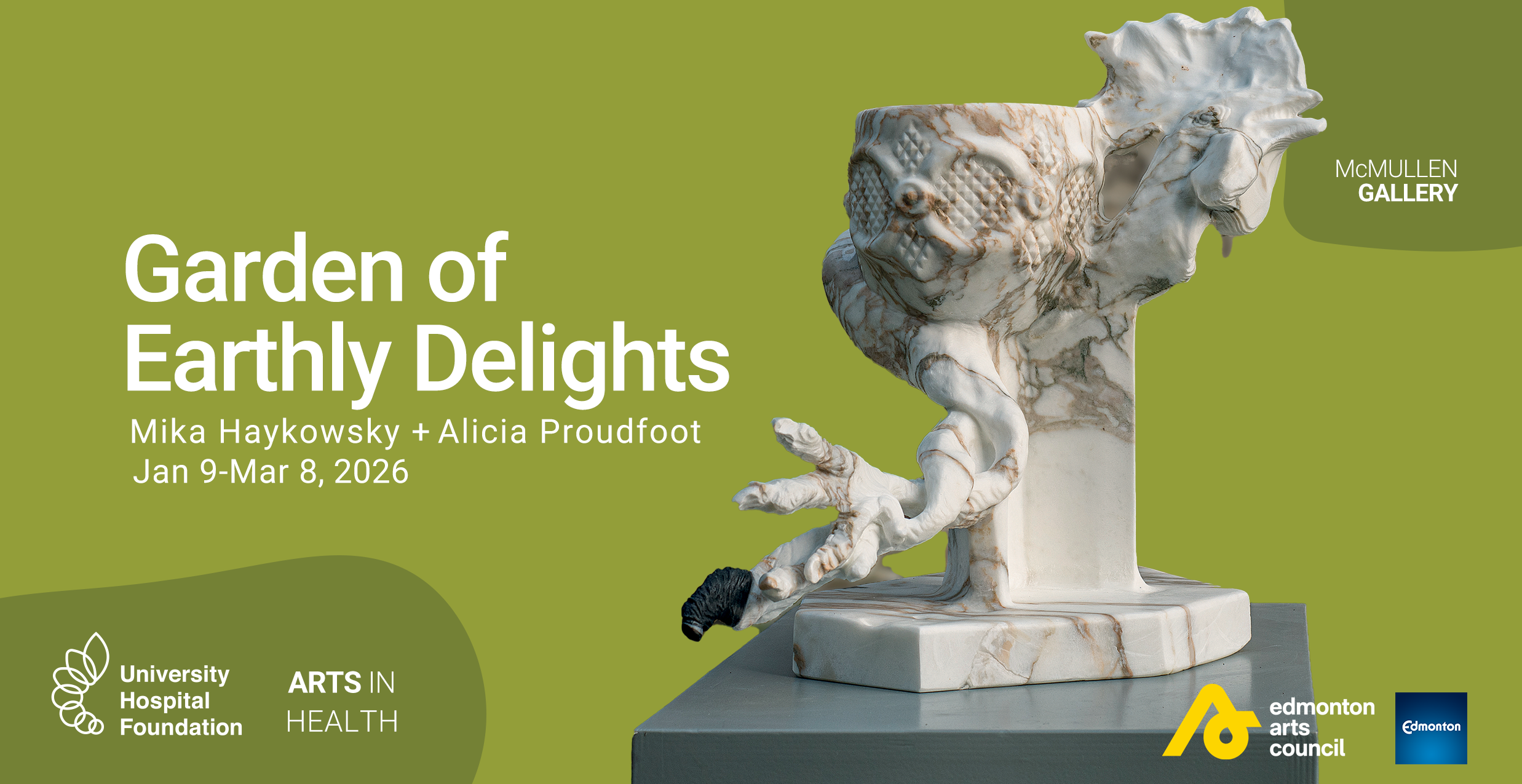
evite-alicia.png
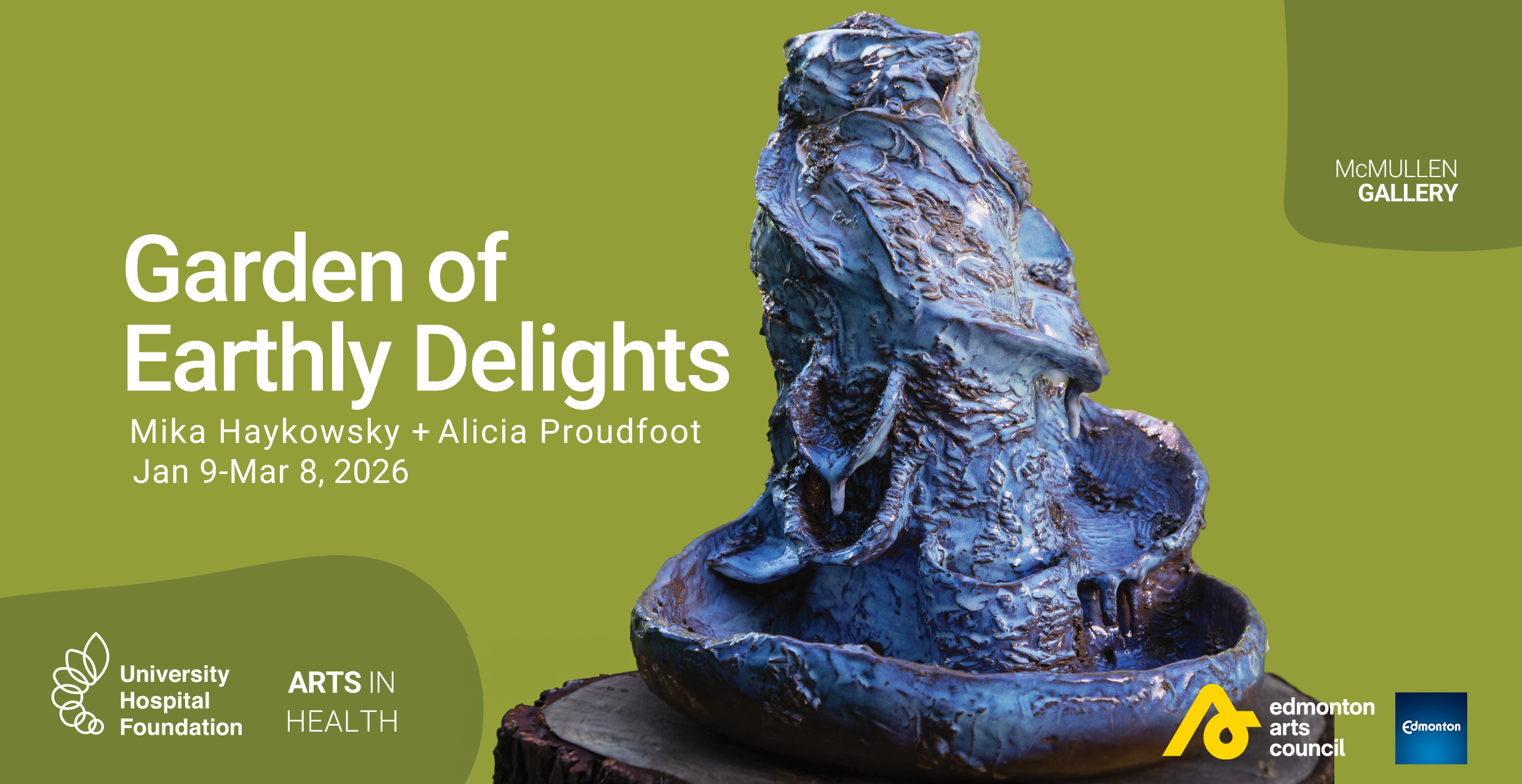
evite-mika.png

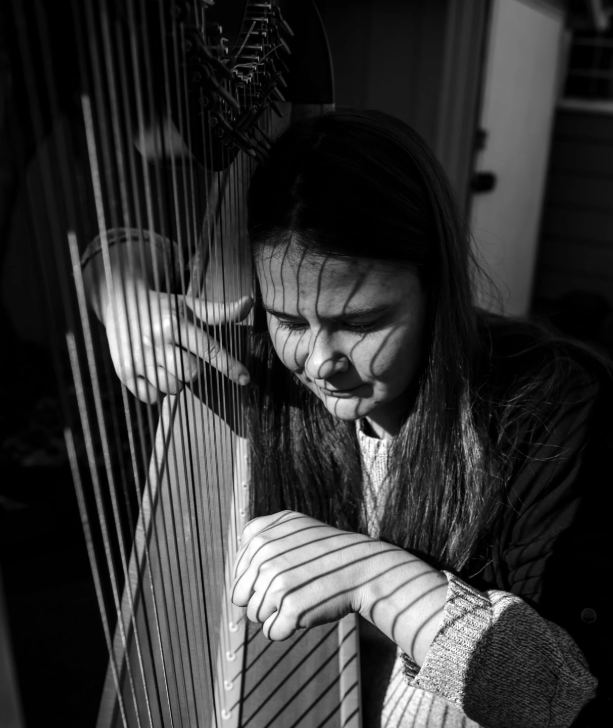
Garden of Earthly Delights is an exhibition exploring meditative spaces and therapeutic objects. This is the first duo exhibition blending the practices of Mika Haykowksy and Alicia Proudfoot. Themes of wellness and illness, somatics and the body, and sculptural sound-making unify their practices. Their work comes together as a retreat space of sculpture and sonic installation. Earthy ceramic fountains, a modified harp, a marble sculpture, and leafy, soft-sculptural foliage fill the gallery—allowing guests to rest in a calming and curious atmosphere.

This exhibition provides solace, peace, and creativity for hospital guests, patients, and staff alike. The artists strive to make the gallery a welcoming and warm space that connects people within this healing building.

Alicia’s work pursues the gentle conviction of breath. No matter how imperceptibly still, breathing encourages us to move and speak. Her sound and sculptural components convey her experience of chronic asthma through pendulum-like waves of health that are both lighthearted and complex. Two marble statues stand like sentries, guarding the heart of the garden. Each is an absurd transformation of the respiratory system, revealing Alicia’s playful approach to living with illness. Y.O. – Y.O. renders alveoli into a pomegranate that is also a children’s commodity, giving a delicious shine to the polyp fruit. Broth is an enchanting chalice in which a twisting rubber chicken echoes the hollowness of the lung chamber. Visitors who choose to rest near these works can ponder the fictitious rituals they were designed for. On her augmented harp, Alicia shares a deeply personal and hauntingly beautiful sound, layering recorded soundscapes, digital components, and a new pair of carved legs inlaid with marble, elevating the instrument to perch like a preening creature in the garden.

Mika’s artistic practice investigates inner states of the body, like memories resting in our soft muscles, long forgotten. Her work touches on collective healing, pain and pleasure, and love addiction. The ceramic works presented in Garden of Earthly Delights are a culmination of experiments created during her residency at the Medalta Historic Clay District in Medicine Hat. Mika’s sculpting hands play with aggressive clay texturing methods and the fluidity of letting water find its own path—flow. Cycles of life, ecosystems, fertility, and extinction are central themes in her work. Fountains represent infinite cycles and bring subtle, soothing rhythms into the space. Incorporating running water into the gallery draws viewers into their senses—touch, sound, and sight. Some may be tempted to reach out and feel the water on their fingers. Water is healing and provides the grounded essence of the earth.

Garden of Earthly Delights interprets aspects of the natural world—its ecosystems and patterns of coexistence—through the rhythms of the body. Fountains represent abundance, hope, and life. Marble is a fierce dreamer, staunchly imaginative in its resilience, while the harp is ever-changing in sound, air, and breath. The foliage, commissioned from Debbie Radke, brings a tender embrace to those traversing life’s experiences with health.

Opening Reception - January 9, 7-9 p.m. Register for free:

  • Mika Haykowsky holds an MFA (2019) from the Trondheim Academy of Art and a BFA (2016) from the University of Alberta. They live and work out of Amiskwaciwâskahikan / ᐊᒥᐢᑲᐧᒋᐋᐧᐢᑲᐦᐃᑲᐣ (Edmonton, AB). From their studio in central Edmonton, Mika launches into creative projects that circle around the body, the cosmos, dreamscapes, inter-species co-creation, eco-feminism and stewarding the land. Follow their artistic journey on instagram @kahousemi.

  • Alicia Proudfoot is an interdisciplinary artist with a penchant to modify formal training in sculpture, printmaking, and performance through audience-engaging prompts. Experimentation is a valuable component of her creative research about humor’s role in a somatic archive on illness. Alicia received a BFA from the University of Alberta in 2016 and graduated with an MFA from NSCAD University in 2019. Her work thrives alongside community engagement. She has permanent public artwork at the Performing Arts Theatre in Hinton, AB, and other haptic commissions through New Music Edmonton, the Silver Skate Festival, and The Works in Edmonton. Alicia has exhibited across Canada with some international opportunities through an internship at Franconia Sculpture Park, MN, USA; a group exhibition with Hernandez Gallery in Milan, IT; and a recent residency with the Digital Stone Project in Gramolazzo, IT, where she learned to robotically carve marble sculptures.

In Past

The Westburne Collection

November 6, 2025 Tyler Sherard

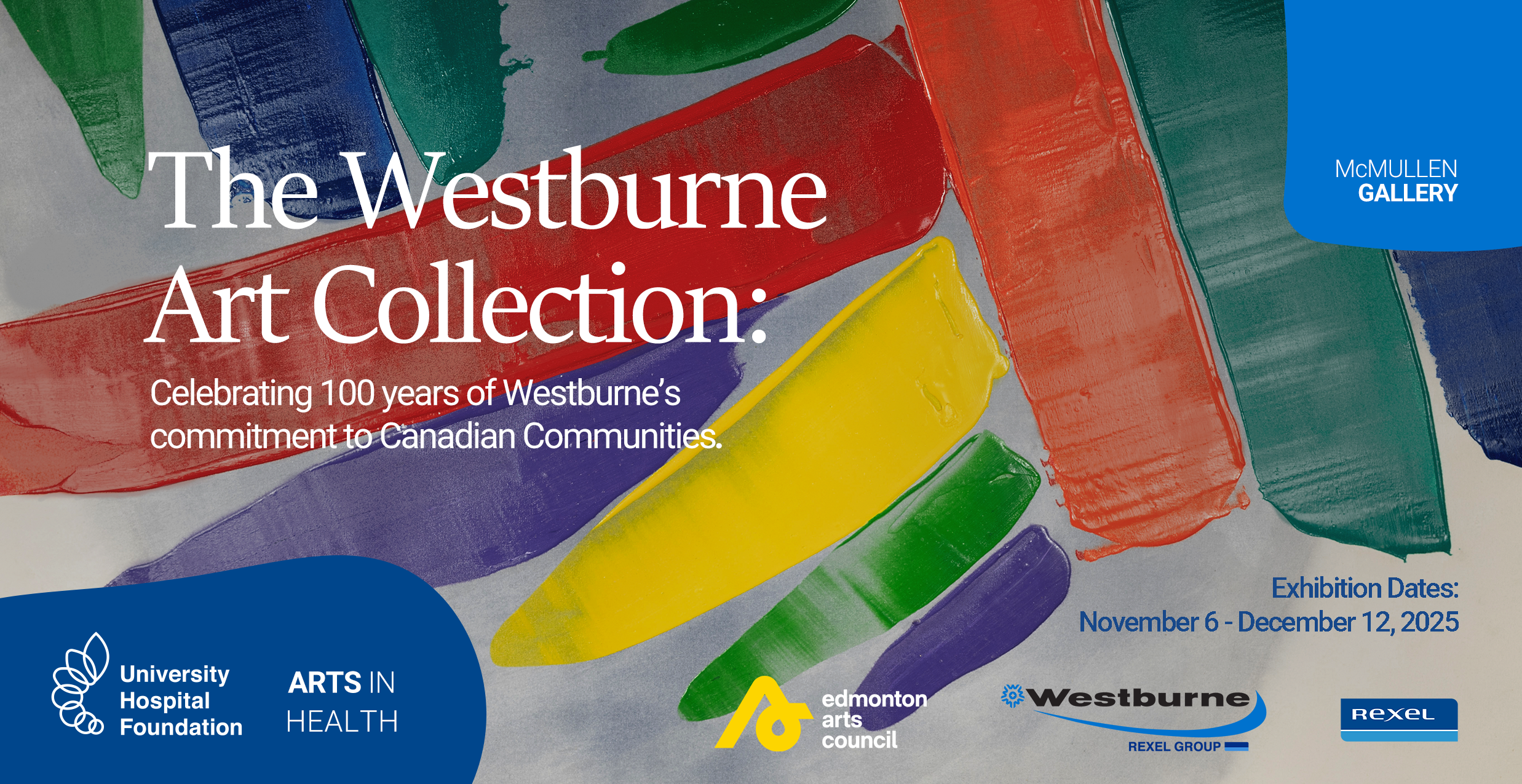
The Westburne Collection:
Celebrating 100 years of Westburne’s commitment to Canadian Communities.

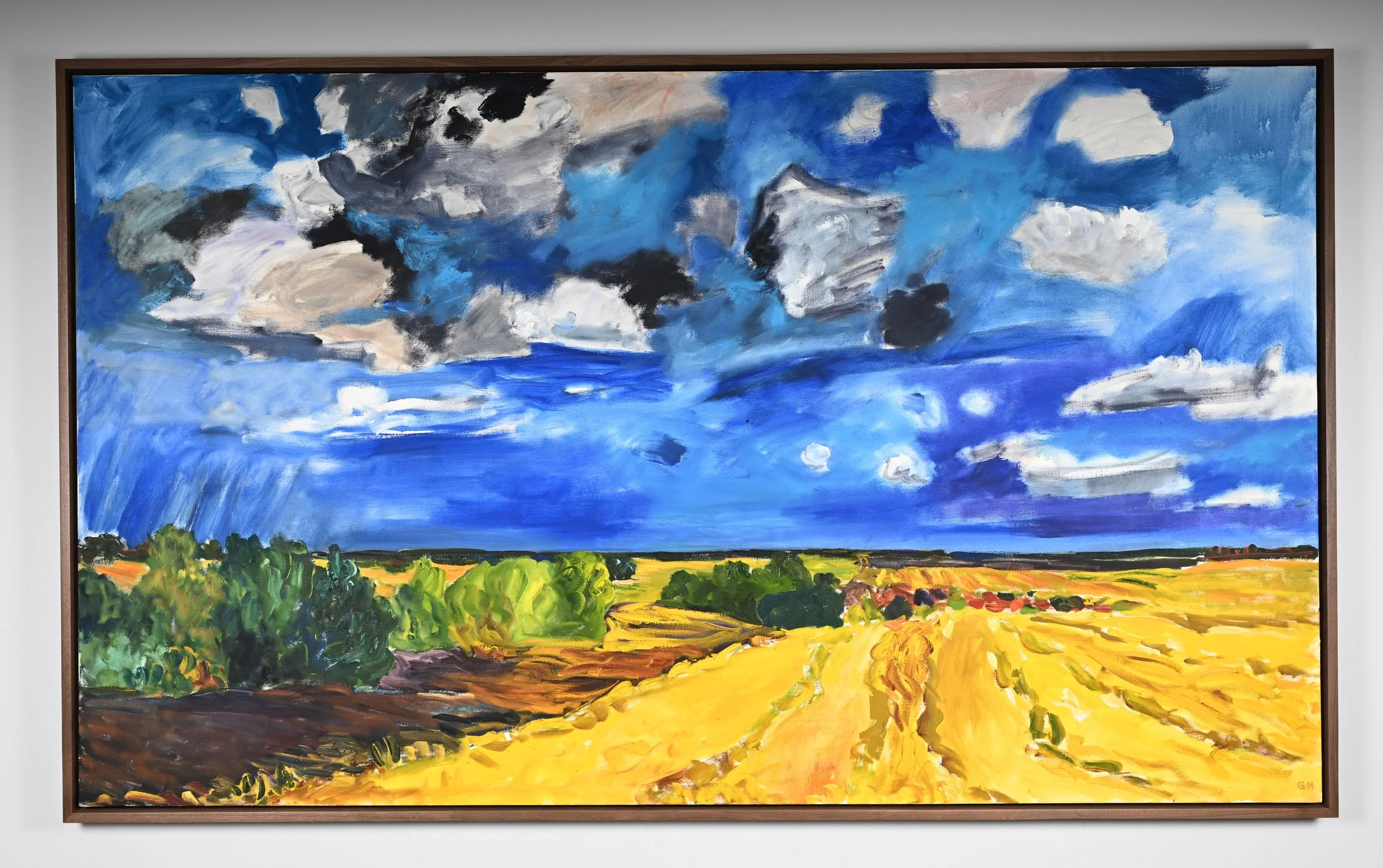
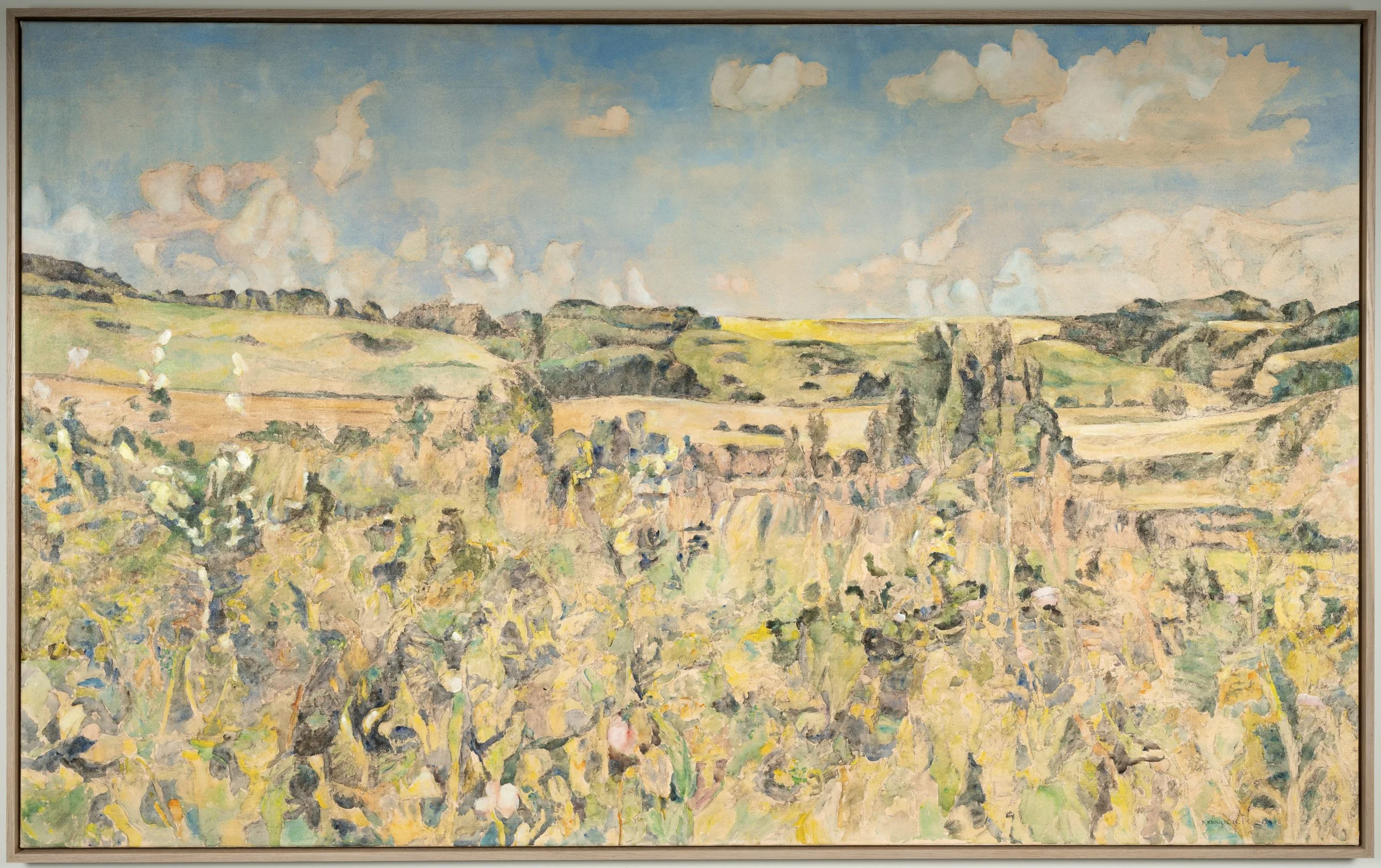
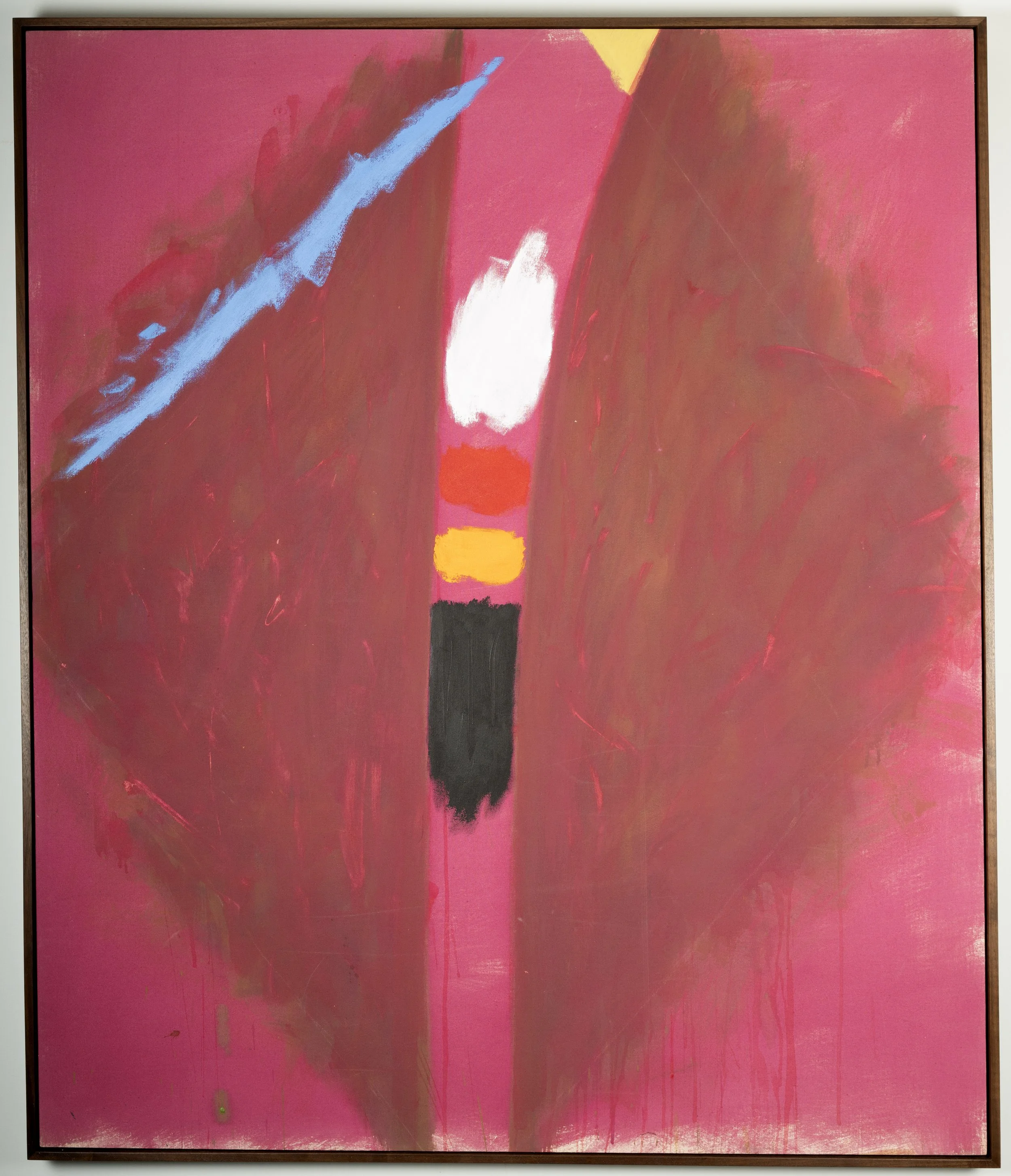
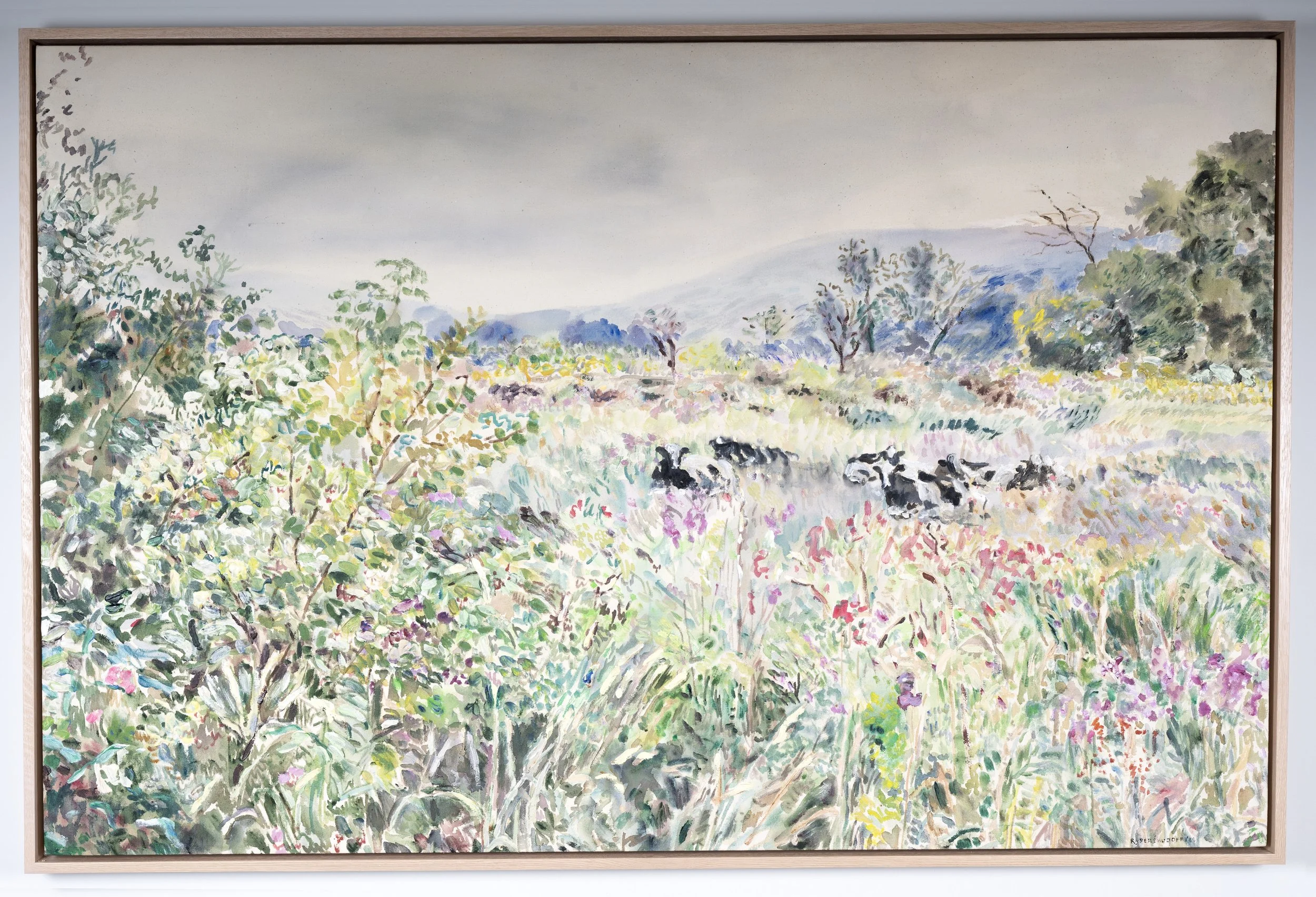
The University Hospital Foundation and Rexel Canada Electrical proudly present the Westburne Art Collection at McMullen Gallery, to mark the 100th anniversary of Rexel’s Westburne Banner. This significant corporate collection was started in the 1970s by John Scrymgeour, founder of Westburne, who would work with Westburne President Sam Abramovich to expand the collection. The collection grew into the 1990’s with guidance from renowned art curator Karen Wilkin, then Senior Curator at the Art Gallery of Alberta. The collection celebrates Canadian art and culture, featuring notable works by prominent Canadian artists of the period, including Jack Bush, William Perehudoff, and Gershon Iskowitz.

Curated by Natalie Ribkoff (Toronto), this exhibition shines light on several artists from the collection and their distinctive approaches to “painting the Prairie”. Many pieces will be shown publicly for the first time in over a decade. It features artists Barbara Ballachey, Robert Christie, Harold Feist, Terry Fenton, Gregory Hardy, Douglas Haynes, Dorothy Knowles, Kenneth Lochhead, Catherine Perehudoff, Rebecca Perehudoff, William Perehudoff, Otto Donald Rogers, and Robert Scott.

The Westburne Art Collection embodies Rexel Canada’s commitment to supporting Canadian communities. Rexel demonstrates social responsibility by investing in programs that support Indigenous peoples and youth, creating a legacy built on decades of service to Canada’s communities, as well as its commercial, industrial, and residential sectors. The collection is both a visual expression and celebration of Canadian culture, reflecting the values and relationships that guide Rexel's business and its ongoing contribution to community life.

To learn more visit:
https://rexel.ca

https://www.westburne.ca/cwr/

https://www.nedco.ca/cnd/


Selected Works:


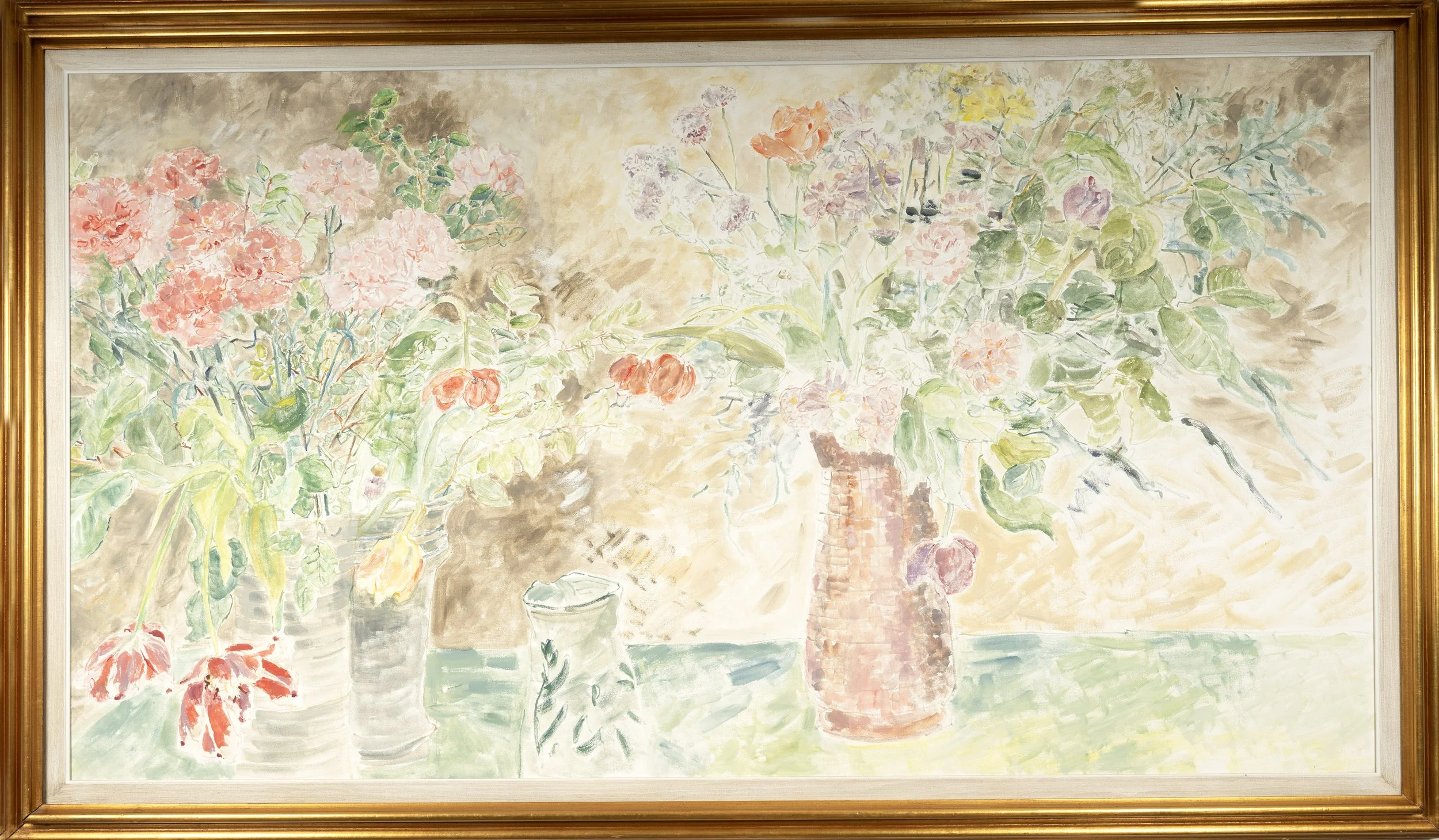
Dorothy Knowles, Flowers and Vases, Oil on canvas, 1980
Gregory Hardy, Storm Brewing, Oil on canvas, 1984
Dorothy Knowles, A Tangle of Roses, Acrylic on canvas, 1976
Douglas Haynes, Magenta, Acrylic on canvas, 1978
Rebecca Perehudoff, Pasture with Cattle, Acrylic on canvas, 1988
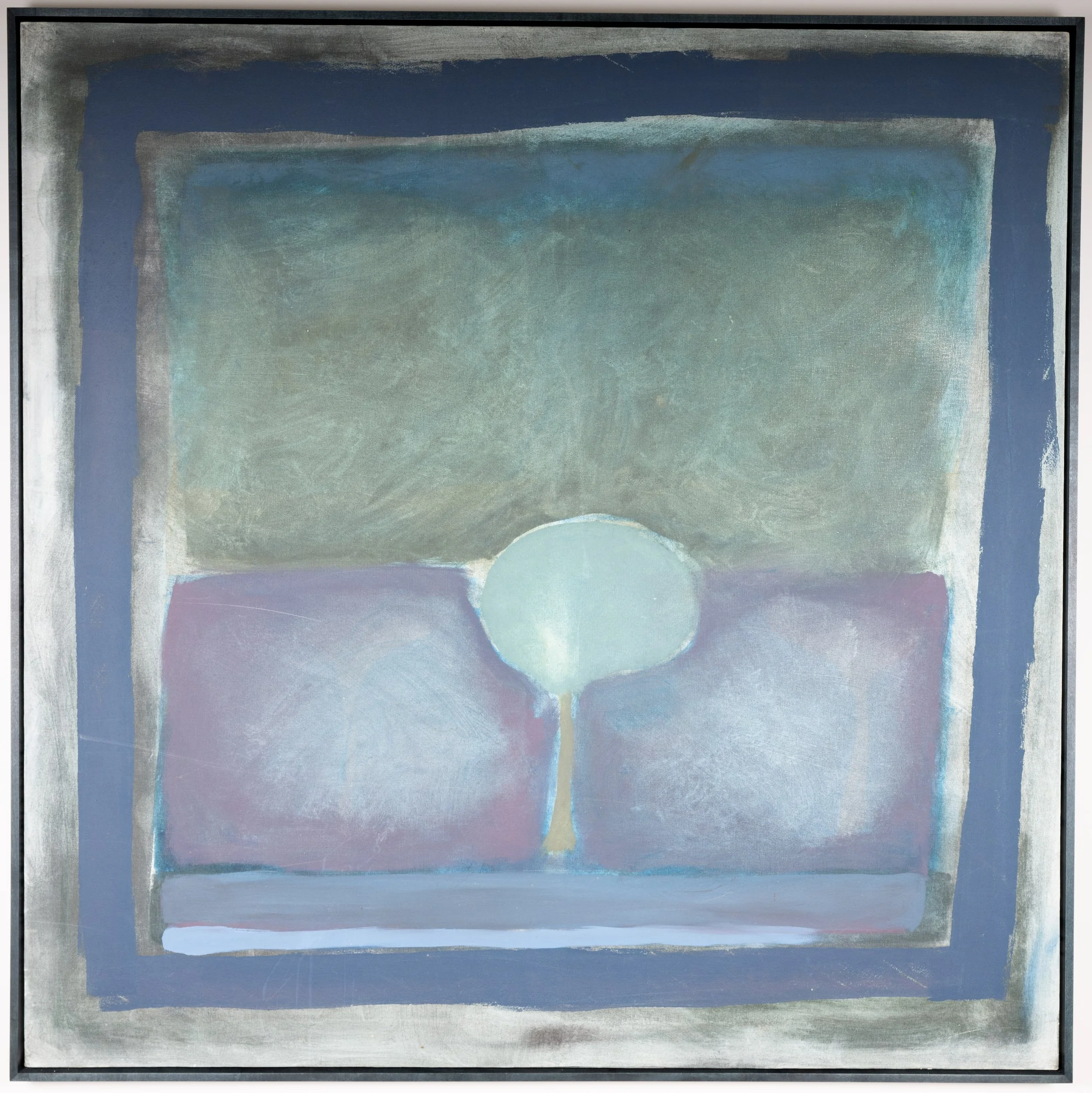
Otto Donald Rogers, Cool Green Tree, Oil on canvas, 1968
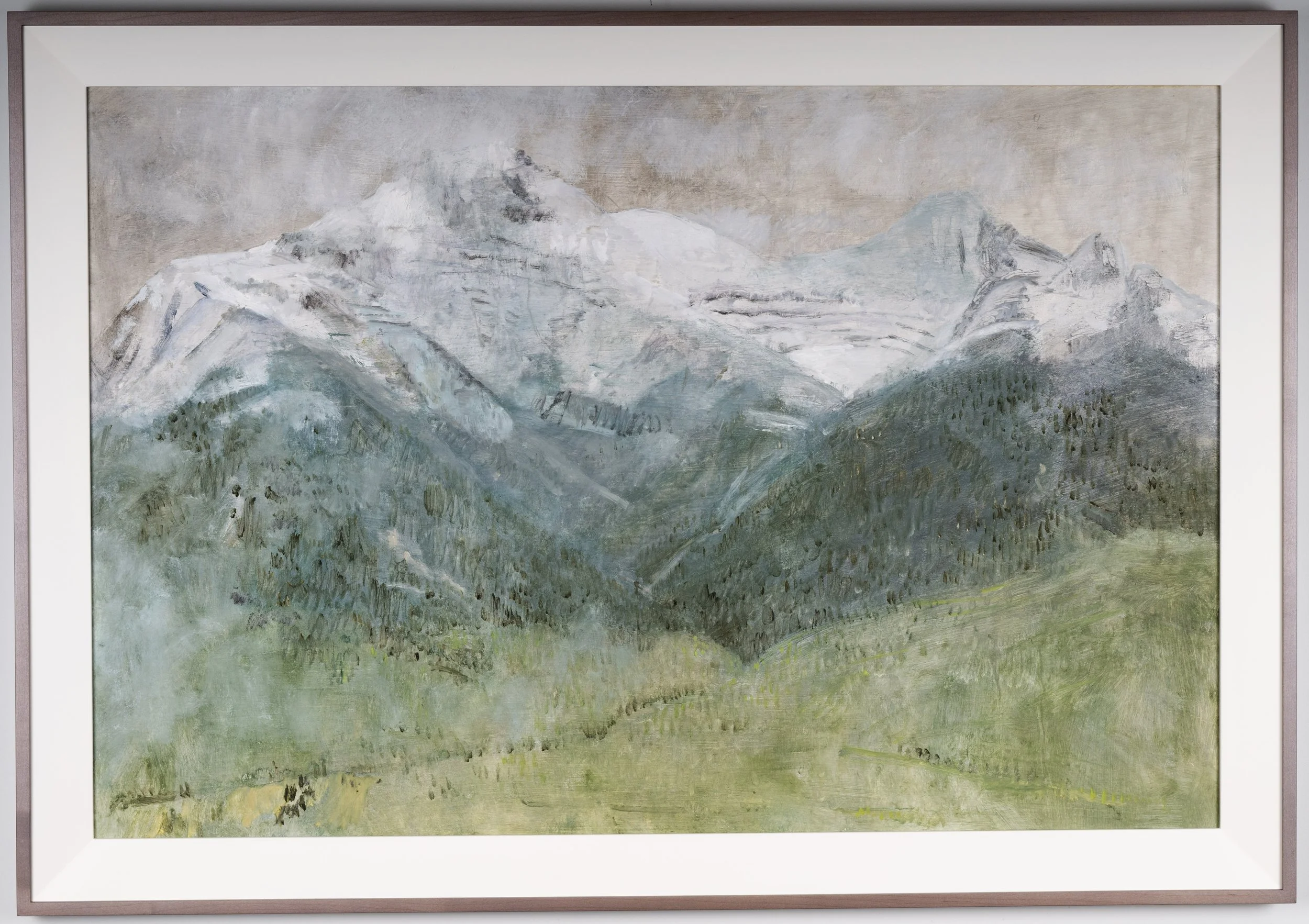
Terry Fenton, Mount Karma, Oil on board, 1984
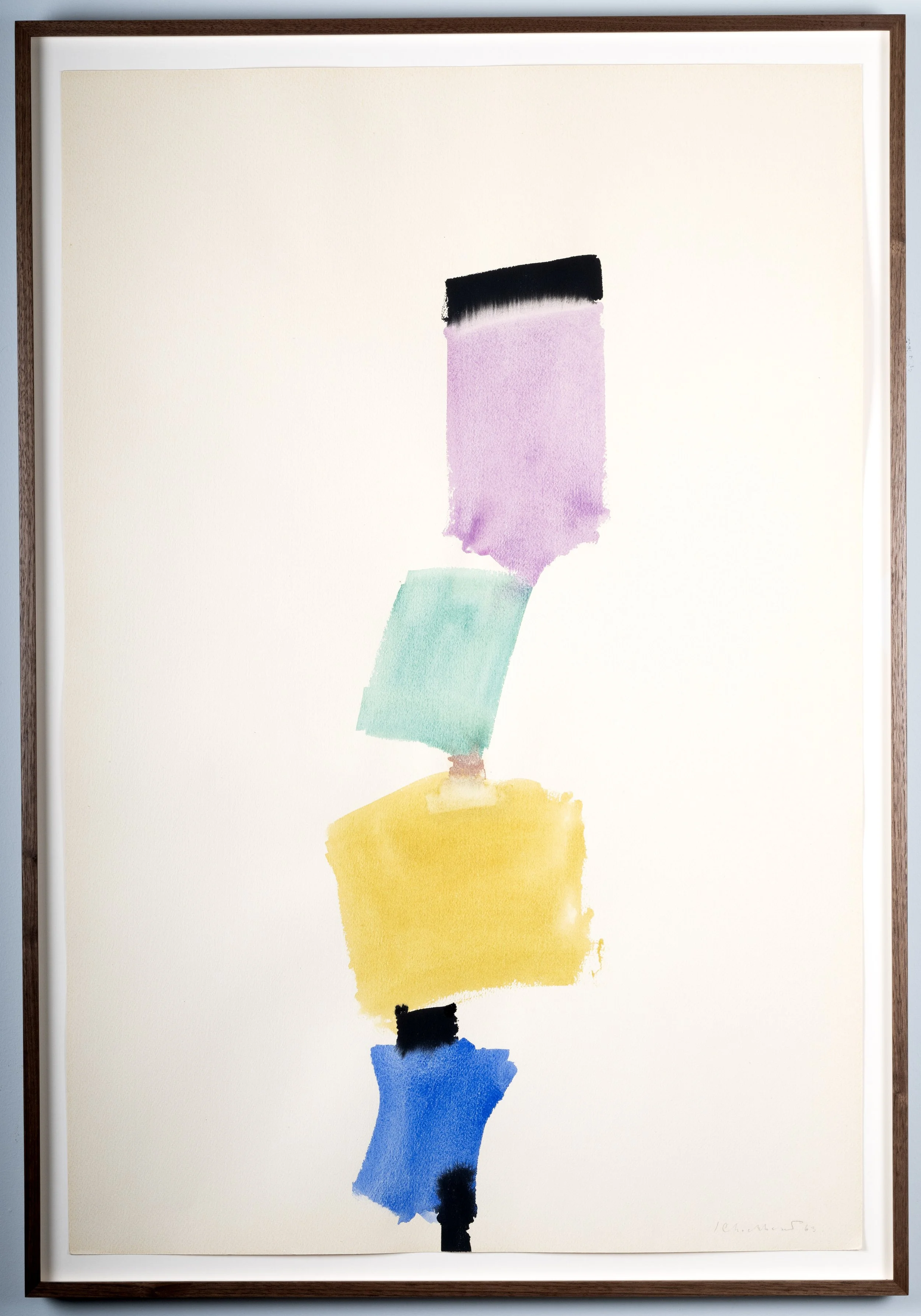
Kenneth Lochhead, Black Cap, Watercolour on paper, 1963
Dorothy Knowles, Flowers and Vases, Oil on canvas, 1980 Gregory Hardy, Storm Brewing, Oil on canvas, 1984 Dorothy Knowles, A Tangle of Roses, Acrylic on canvas, 1976 Douglas Haynes, Magenta, Acrylic on canvas, 1978 Rebecca Perehudoff, Pasture with Cattle, Acrylic on canvas, 1988 Otto Donald Rogers, Cool Green Tree, Oil on canvas, 1968 Terry Fenton, Mount Karma, Oil on board, 1984 Kenneth Lochhead, Black Cap, Watercolour on paper, 1963
In Past

Blue - Kelsey Stephenson

July 28, 2025 Tyler Sherard

BLUE – Kelsey Stephenson
July 28 - September 14, 2025, in McMullen Gallery
8440-112 St NW
Monday – Friday: 9 a.m. -7 p.m.
Saturday – Sunday: 11 a.m. – 5 p.m.

JOIN US for the Opening Reception Thursday, August 7, 7-9 p.m.

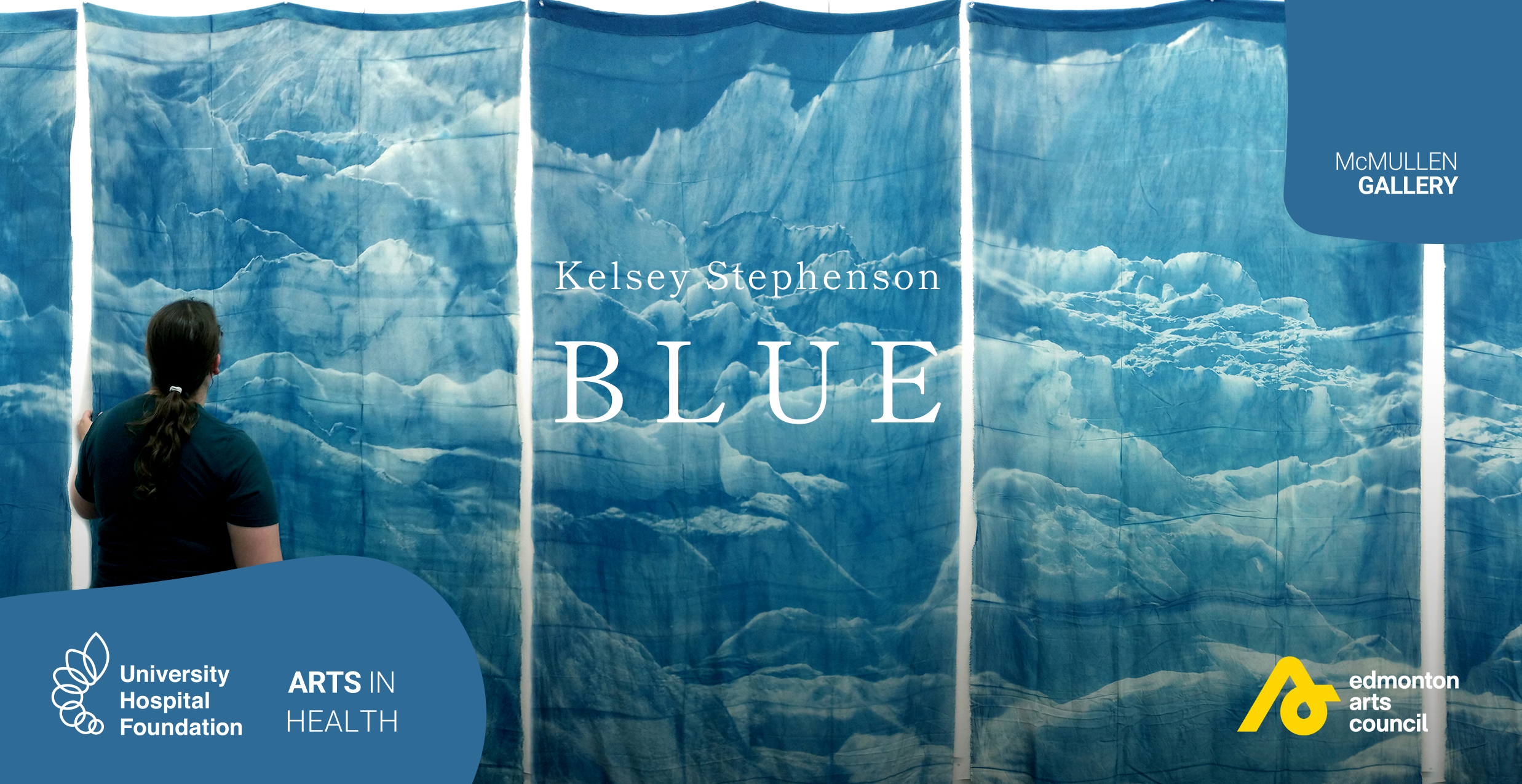
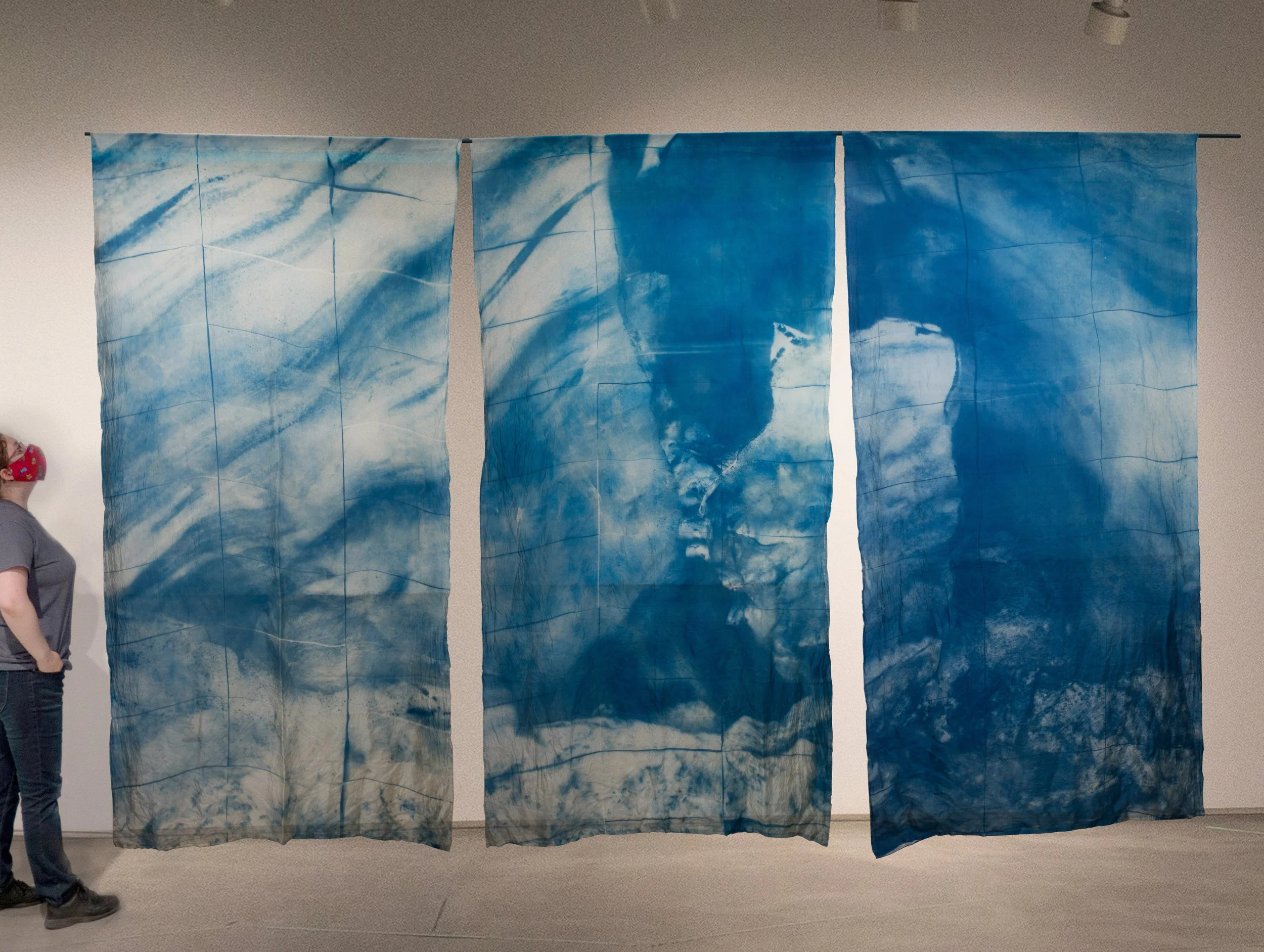
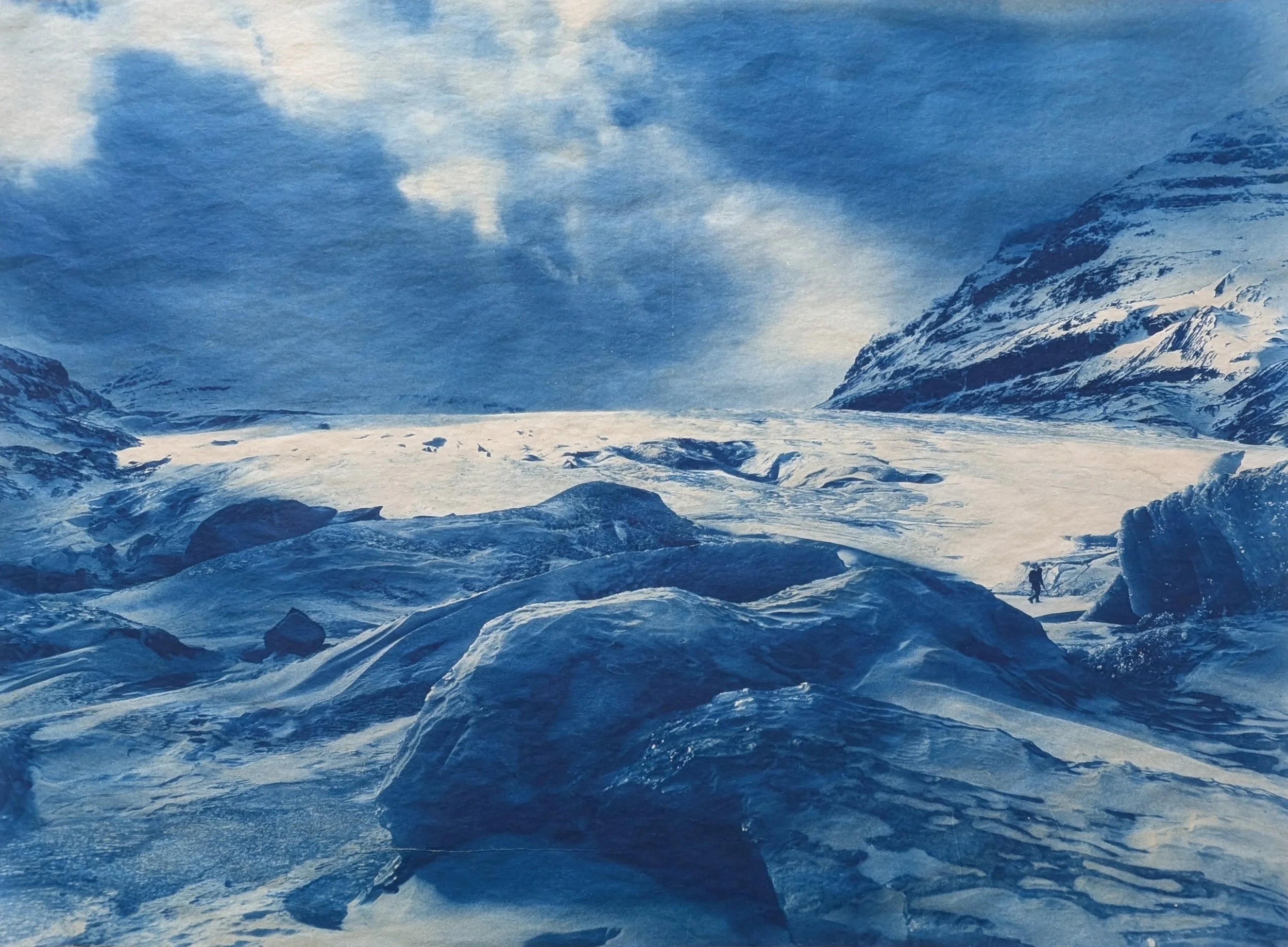
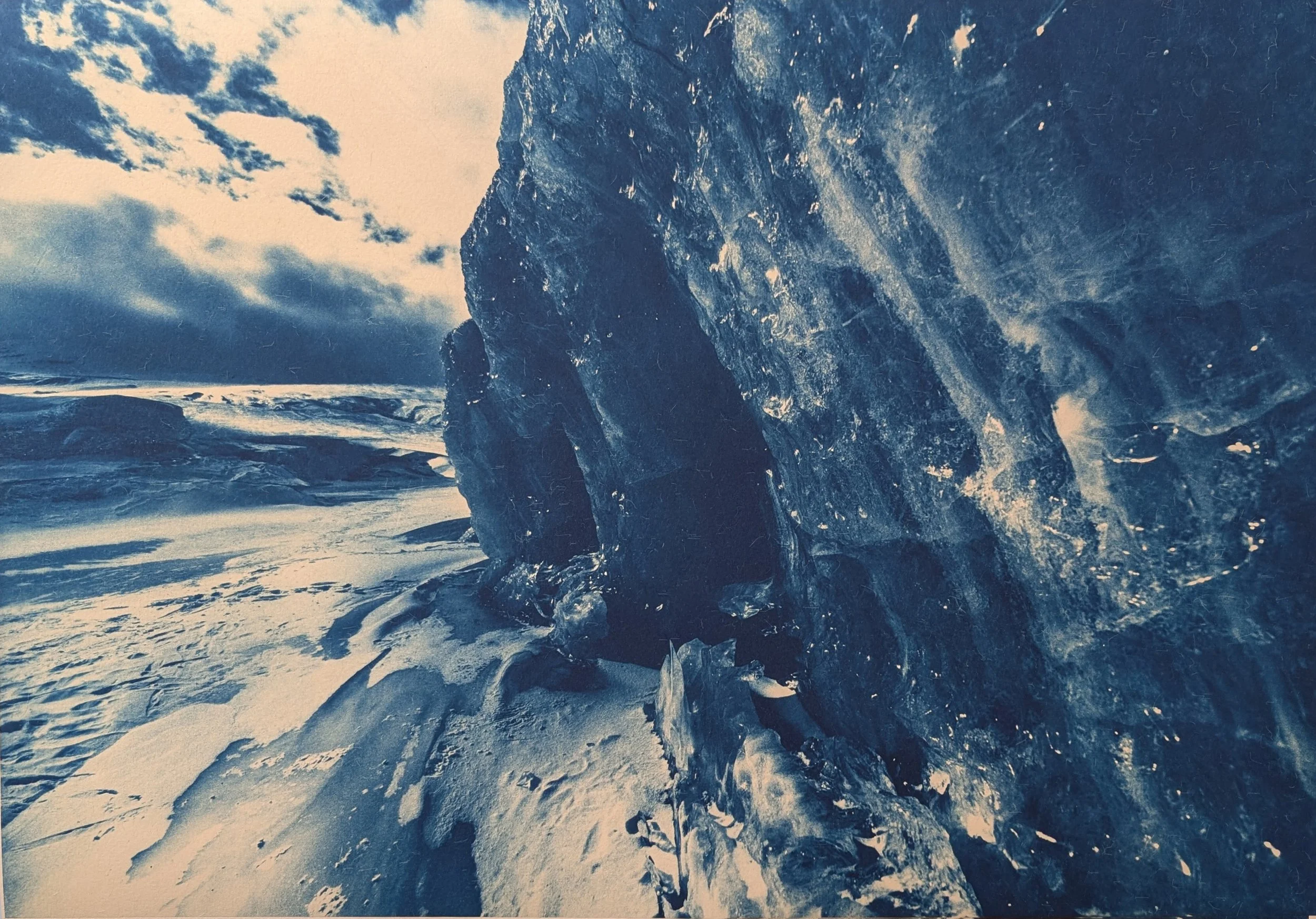
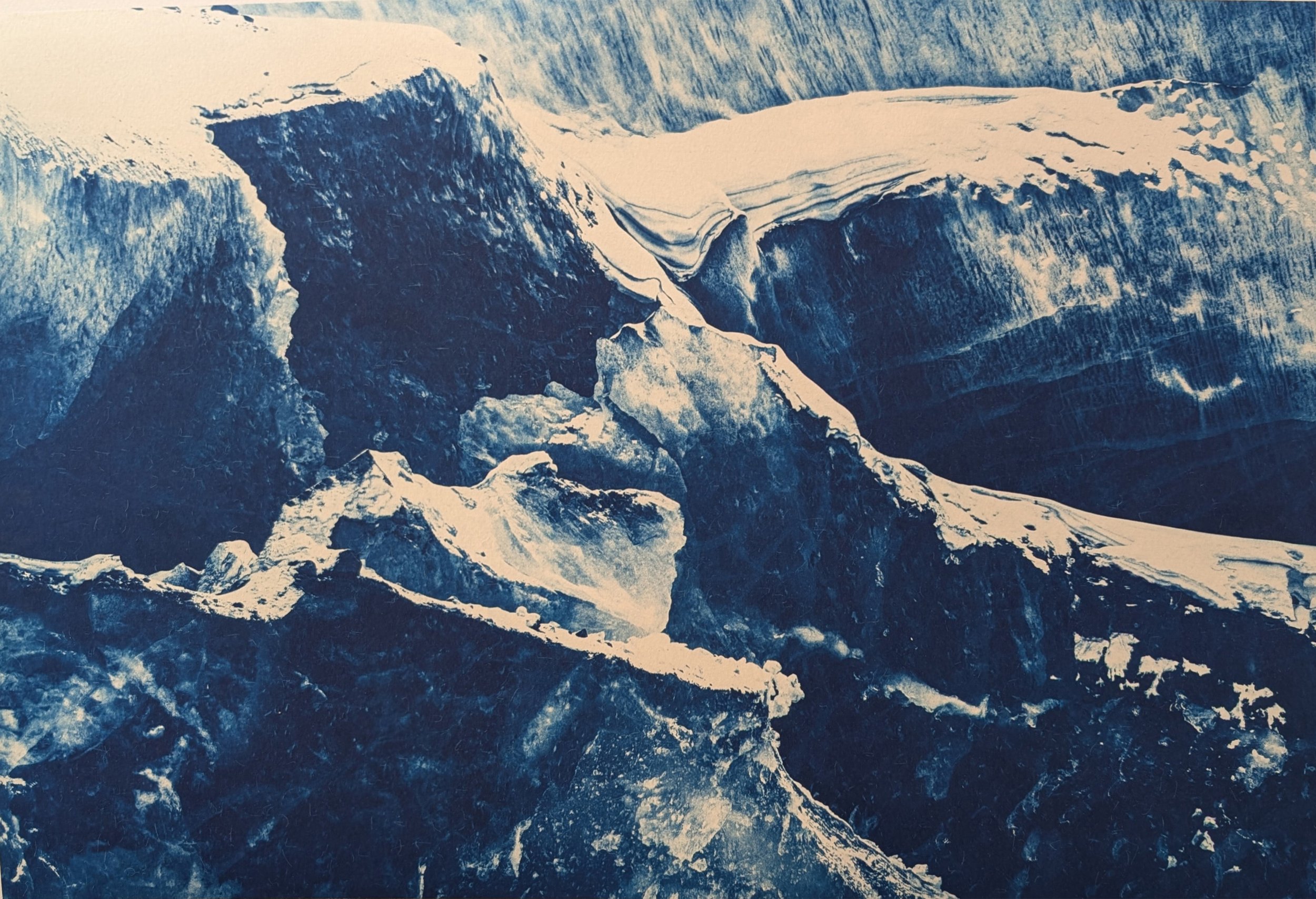
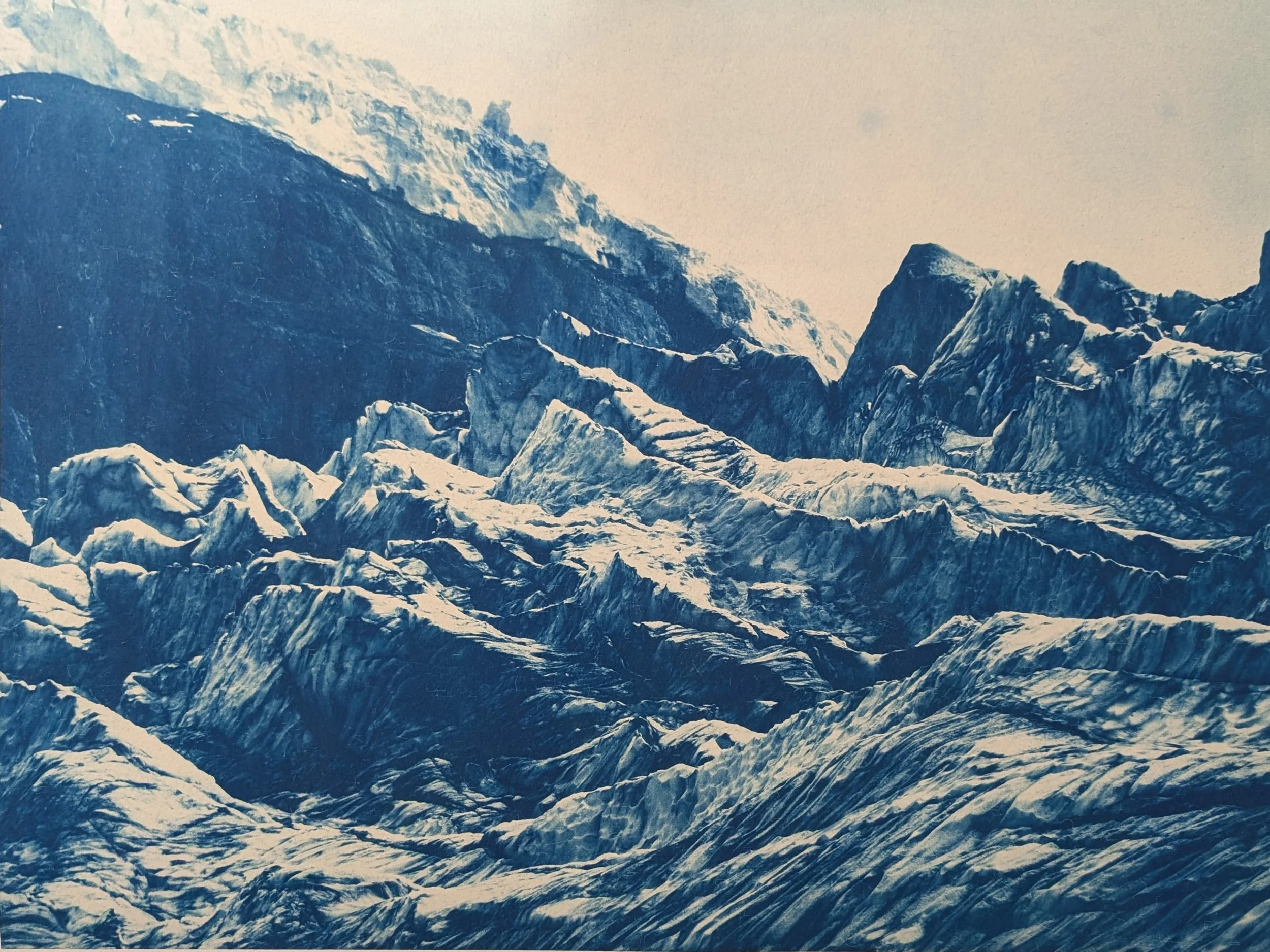
In Blue, artist Kelsey Stephenson invites you to experience the healing presence of Alberta’s glacial landscapes. Through the cyanotype process, a photographic technique developed with water, these works carry the vivid blues of melting ice and flowing rivers. Moving among large silk panels and delicate prints on paper, you’ll find yourself immersed in the cycles of freeze and thaw, light and shadow, stillness, and flow.

The imagery traces the path of the North Saskatchewan River from its headwaters in Banff National Park, drawing inspiration from the surrounding terrain of the Athabasca and Saskatchewan Glaciers. While glaciers tell stories of loss, they also feed the veins of our planet—melting into rivers, nourishing ecosystems, and reminding us that even in retreat, there is regeneration. This work holds space for renewal. It asks you to consider what it means to be well within yourself and the natural world. As you move through these layered, suspended pieces, there is time to breathe, to remember, and to reconnect with places that carry meaning and comfort.

The detailed paper works echo traditional darkroom photography, capturing subtle, fleeting moments that speak to the fragility and resilience of ice. The flowing silk panels evoke the sensation of glacial movement and river ice, inviting you to walk among them as if wandering through a memory of winter. We encourage you to view these pieces from all sides.

From urgency to awareness, from grief to grace, Stephenson’s Blue reminds us that the landscapes around you, and the water that flows through them, hold the power to nourish, sustain, and heal.


About the Artist
Kelsey Stephenson (she/her) is a Canadian artist and educator based in Edmonton, within Treaty 6 Territory. Her large-scale multimedia installations explore water, ice, and land, often drawing from printmaking traditions to reflect on ecological change. Much of her work centers on the prairie watershed and glacial systems of Alberta, inviting viewers into immersive encounters with place. She teaches printmaking at the University of Alberta and is an active member of Edmonton’s artist-run communities. Her practice bridges art and environmental awareness, creating space for reflection, care, and connection.
https://kstephenson.ca/


ice palimset.jpg 10_Stephenson_beyondhumanscale.jpg 11_Stephenson_distant glacier in sun.jpg 12_Stephenson_standing within deep time.jpg 13_stephenson_staring into deep time.jpg 14_stephenson_climbingin the icefall.jpg


In Past

喜舍 Om ● Ah ● Home: Healing Space for Body & Mind 崔金哲 Cui Jinzhe

June 10, 2025 Tyler Sherard

Cui Jinzhe’s exhibition Om ~ Ah ~ Home:Healing Space for Body & Mind, is a poetic journey of finding grounding between the two worlds Jinzhe calls home: Dalian, China, and Edmonton, Alberta. Her work takes the form of three bodies of work, including a painting series, an interactive screen panel installation, and a kinetic mixed media and ceramics sculpture.

Read more
In Past

Shadow Bloom - Elisabeth Belliveau + Darrell Spearman

March 8, 2025 Tyler Sherard
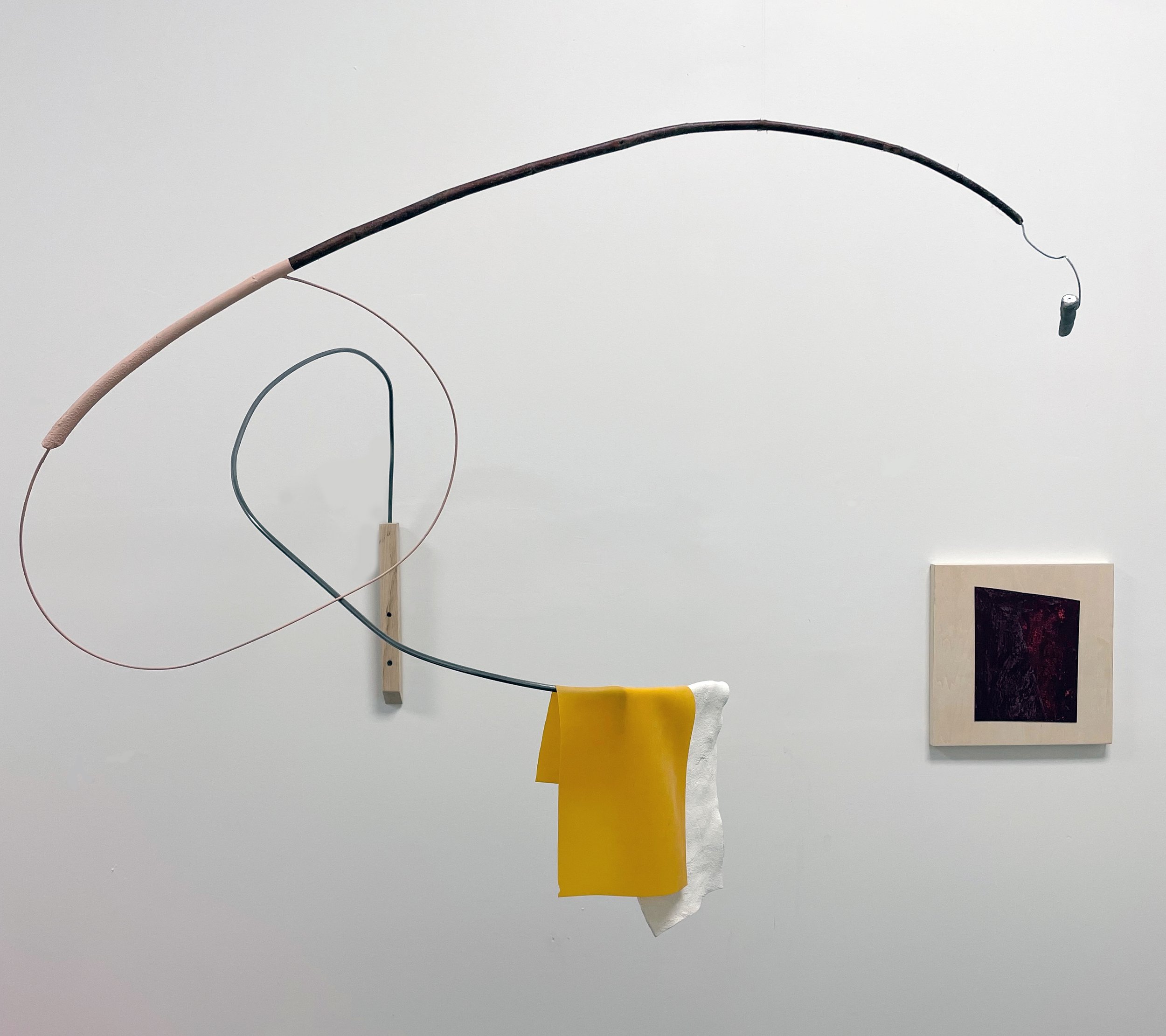
Body of Flora (Retold)
Darrell Spearman

Shadow Bloom
Elisabeth Belliveau + Darrell Spearman

Shadow Bloom explores the delicate interplay between light and darkness, growth and stillness, through the works of artists Elisabeth Belliveau and Darrell Spearman. It asks what life becomes when we delight in subtle moments rather than conventional notions of success—when we honor growth even when it seems invisible and intangible, like the quiet yet profound transformations embodied in flowers that emerge, evolve, and reshape their surrounding landscape.

Belliveau's kinetic sculptures manifest as abstract mother(ing) forms that transcend traditional identities. Her suspended mobiles and tabletop pieces embody the rhythms of caring, resting, playing, and maintaining balance. Drawing inspiration from formalist sculpture, Ikebana flower arranging, and her experiences of motherhood, Belliveau collaborates with her two-year-old son to create works that engage children and adults alike in contemporary abstract art through processes of balance, play, and material experimentation.

In conversation with these sculptural forms, Spearman's poetry offers moments of quiet contemplation. As a multidisciplinary artist from Brooklyn practicing writing and dance, Spearman uses flora as metaphors to confront and comfort difficult feelings, honoring the process of unraveling. His collected poems explore change—its complexities, pain, healing, and beautiful simplicities—like the weeds, thorns, buds, and blooms that inhabit gardens.

Both artists observe power in moments of hope, balance, and playfulness. Their work exists in the tension between positive and negative space, between light and shadow. Through this exhibition, they invite us to pay attention to the unseeable, to offer compassion to ourselves and others, and to slip into tenderness.


Poetry Albums - Darrell Spearman

Darrell Exclulsives.png
Shadow Bloom - Exclusives
Darrell WIndows.png
Shadow Bloom - Window Poems
 

Selected Images - Elisabeth Belliveau

View fullsize 3_Belliveau_ Priarie fruit without sadness.jpg
View fullsize 6_Belliveau_ Studio.jpg
View fullsize 5_ Belliveau_ Mouth moon .jpg
View fullsize 1_Belliveau_ Mes jours comme mes nuits.jpg
In Past

Artists on The Wards: "For Artists on 'Not Artists'"

November 4, 2024 Tyler Sherard

October 15 - December 1, 2024

When we walk onto your unit, or into your hospital room, we don’t want to put you to work by making you paint or clap your hands to a song. We want to learn who you are beyond ‘patient’. It’s okay if you are ‘not an artist’, we know you have interests and passions that can engage and inspire you. Though we are not ‘art therapists’, what we offer is therapeutic. Research continues to show that engaging in, or even chatting about, creative interests can have a lot of different benefits. 

As an embedded artist/researcher and Psychiatry graduate student, I curated this exhibition of both staff and patient work relating to the diverse ways that the Artists on the Wards engage the University of Alberta Hospital community, and have done so for 25 years.

-Jennie Vegt

In Past

What We Carry 唐人街 - Curated by Jordon Hon 韓寶軒 and Shawn Tse 謝兆龍

August 16, 2024 Tyler Sherard
What We Carry 唐人街_McMullen Gallery_Documentation_Jordon Hon-2.jpg What We Carry 唐人街_McMullen Gallery_Documentation_Jordon Hon-16.jpg What We Carry 唐人街_McMullen Gallery_Documentation_Jordon Hon-17.jpg

August 19 - October 4, 2024
Closing Reception: Friday, October 4, 7-9pm

How does art play a role in the evolution of our cultural spaces?

We often think of Chinatowns as places to preserve and honour the past. But how do we embrace evolution while fostering decolonization, inclusion, and community ownership? We don’t have clear answers for the future of Chinatown, but our work in the community is driven by knowing how interconnected Chinatown is with major issues we face as a society.

These works inspired by Edmonton’s Chinatown carry stories of intergenerational relationships, healing, and deep community bonds greater than we can put into words. We hope this art will inspire critical reflections of our cultural spaces and continue to expand our imaginations for what Chinatown can be.

藝術在文化空間的演進該扮演什麽角色?

我們經常想唐人街是一個保存文化和榮耀過去的地方。但是當我們面對著促進反殖民化、包容化及社區擁有權的時候, 我們能如何迎接文化的演變呢?對於唐人街的未來我們沒有清晰的答案, 但是,我們在社區内的工作是由明白到唐人街與切身重要的社會問題互相交接而驅使的。

這些作品都是發自遠遠超過文字可以表達的埃德蒙頓市唐人街跨年代的人際關係、創傷復原、及深厚的社區關係。我們希望這些作品能引發大家對文化空間 這個課題  進行嚴謹的反思和繼續擴張我們對一個理想的唐人街的構想。

Background Photo: Lee Rayne Lucke
Exhibition Photos: Jordon Hon
Translations: Wai-Ling Lennon

Summary Block
This block has no content yet. Items you add to the page connected to this block will display here.
Featured
In Past

One Another - Ritchie Velthuis and Mary Whale

June 21, 2024 Tyler Sherard

One Another brings together Mary Whale’s graceful, poignant watercolour portraits and Ritchie Velthuis’ joyful, genuine Summertime installation in an exhibition that celebrates the beauty of human connection.

Read more
In Past
Older Posts →

8440 112 St NW, Edmonton, AB T6G 2B7, Canada

Phone number

Email


1G1.02
8440 112 ST NW
EDMONTON, AB T6G 2B7
ARTSINHEALTH@GIVETOUHF.CA

©2024, UNIVERSITY HOSPITAL FOUNDATION